
Services
Appraiser
Coast 2 coast Adjuster
Insurance Appraisal Services
Dispute the Value of Your Claim—Not the Outcome
Coast 2 coast Adjuster
What Is Insurance Appraisal?
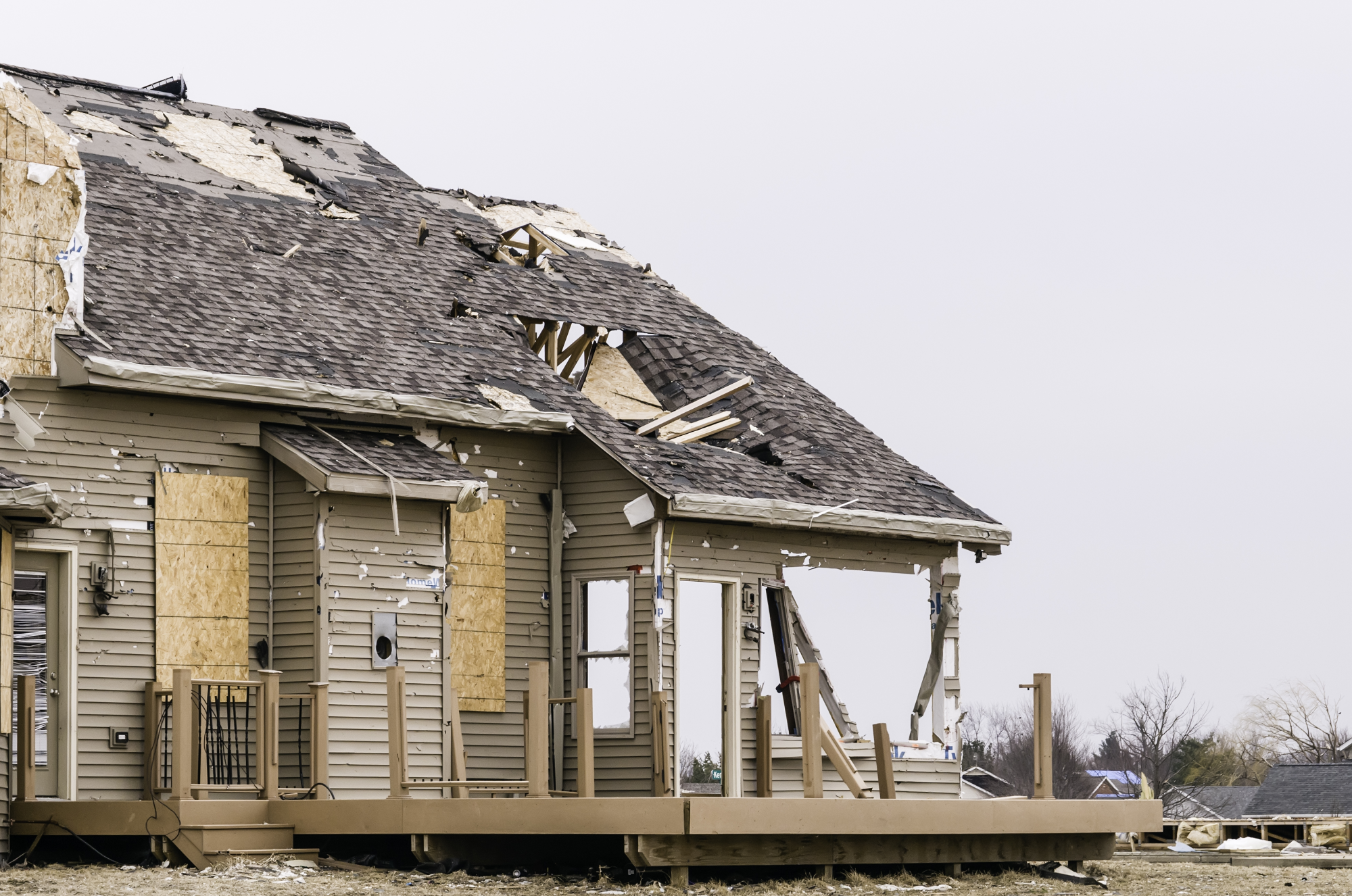
Insurance appraisal is a policy-backed dispute resolution process used when you and your insurance company agree that damage is covered, but disagree on the value of the loss.
Instead of entering a lengthy legal battle, both sides appoint independent appraisers to evaluate the damage and determine the correct settlement amount. If needed, a neutral umpire is brought in to finalize the decision.
Coast 2 coast Adjuster
When Should You Use Appraisal?
- Your claim has been underpaid or undervalued
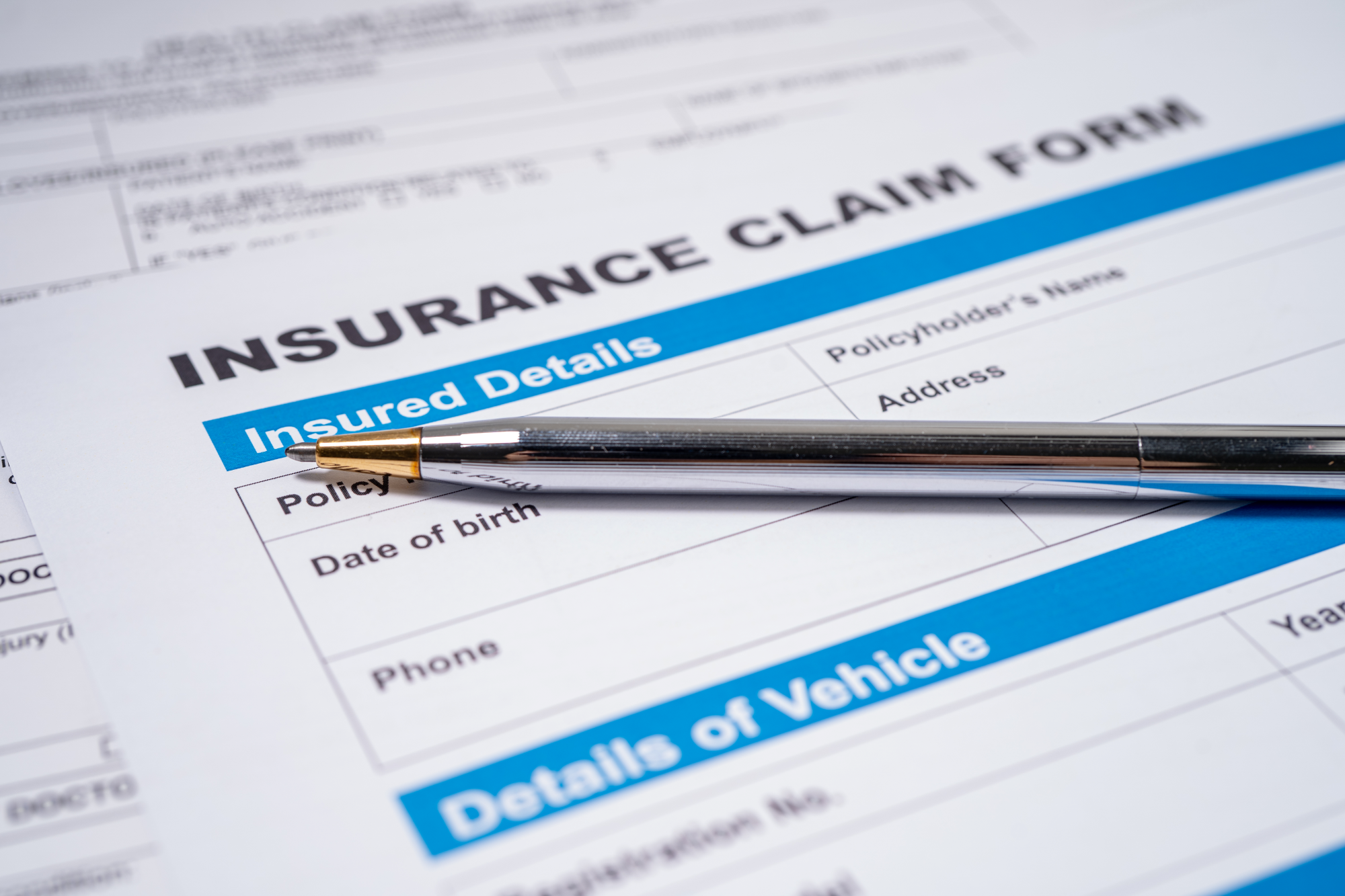
- You and your insurer disagree on repair costs
- There are conflicting estimates
- Your claim is stuck or delayed
- You want to avoid litigation
Coast 2 coast Adjuster
How the Appraisal Process Works
When your insurance claim is disputed, the appraisal process provides a faster, court-free path to resolution by allowing both sides to appoint independent appraisers who evaluate the loss and attempt to agree, and if they cannot, a neutral umpire steps in to review the evidence, resolve the differences, and help reach a fair, accurate, and binding settlement that moves your claim forward.

Appraisal is Invoked
Either the policyholder or the insurance company formally activates the appraisal clause in the insurance policy due to a disagreement on the value of the loss.

Each Party Selects an Appraiser
Both sides appoint their own independent appraiser to represent their interests and evaluate the full extent of the damage.

Property Inspection & Review
Each appraiser conducts a detailed inspection of the property, reviews documentation, photos, estimates, and any supporting claim evidence.
Independent Estimate Preparation
Both appraisers prepare their own detailed loss estimates based on their findings, industry standards, and policy coverage.

Negotiation Between Appraisers
The appraisers attempt to reconcile differences and agree on the fair value of the claim through discussion and comparison of findings.

Umpire Resolution
If the two appraisers cannot agree, a neutral umpire is selected to review both positions and make a final determination. Any agreement by two of the three parties becomes binding and moves the claim toward final settlement.
Coast 2 coast Adjuster
Why Choose Coast 2 Coast Adjusters as Your Appraiser

Policyholder Representation
We work for you—not the insurance company

Proven Results
Strong track record of increased settlements

Deep Industry Knowledge
Expertise in construction, repair costs, and insurance policies

Thorough Documentation
Every detail accounted for and properly supported

Faster Resolution
Avoid delays and resolve disputes efficiently
If your appraisal process has stalled or you need a qualified appraiser, Coast 2 Coast Adjusters is ready to help.
Types of Claims We Handle as Appraiser
- Residential property claims
- Commercial losses
- Fire damage
- Water and mold damage
- Storm and hurricane claims
- Roof damage disputes
- Large-loss and complex claims
Maximize Your Claim Settlement
Insurance companies often rely on their own estimates—which may not reflect the true cost of repairs. Our job is to ensure nothing is overlooked and that your claim is valued accurately.
We don’t just review your claim—we build a stronger case for it.
Get Expert Appraisal Help Today
If your insurance claim has been underpaid or delayed, don’t settle for less than you deserve.
An appraiser is an independent professional who evaluates the value of damages in an insurance claim when there is a dispute between the policyholder and the insurance company.
You should request an appraisal when you and your insurance company cannot agree on the cost of repairs or the value of your claim.
Yes. Once both appraisers agree—or an umpire makes a final decision—the result is typically binding for both parties.
An insurance adjuster works for the insurance company, while an appraiser is an independent party hired to fairly evaluate the true scope and cost of the damage.
Both the policyholder and the insurance company each select and hire their own appraiser to represent their side in the process.
If the appraisers cannot reach an agreement, a neutral third party called an umpire is brought in to make the final decision.
The timeline varies, but most appraisal cases are resolved within a few days to a few weeks depending on complexity and cooperation between parties.
The appraisal process is commonly used for property damage claims such as fire, water damage, storm damage, and other insurance disputes.
It is highly recommended to work with a public adjuster first to properly document and support your claim before entering the appraisal process.
If the policy includes an appraisal clause, the insurance company is generally required to participate when properly invoked.
Get the Answers You Need
Frequently Asked Questions
Clear, concise answers to your most common questions about public adjusters and the claims process.