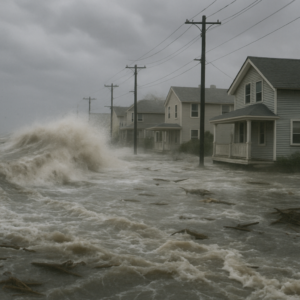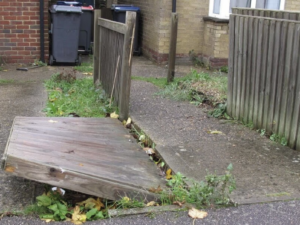
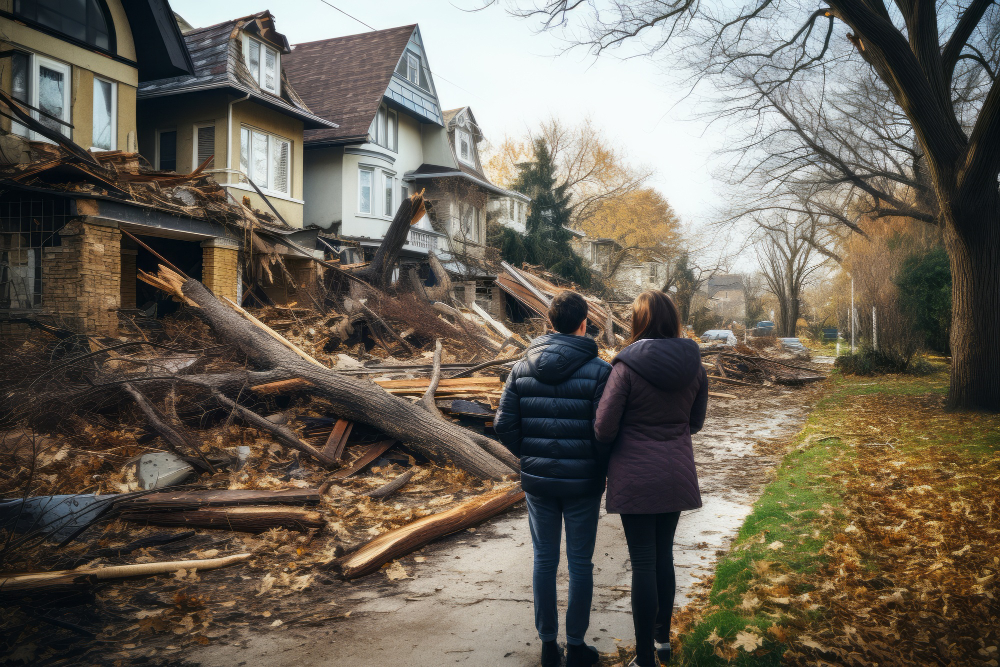
When a major storm hits, your roof is one of the most vulnerable parts of your home or business. Knowing what to expect from a storm damage roof insurance claim can help you act quickly, reduce stress, and maximize your chances of a fair settlement. Whether you’re a homeowner, business owner, or property manager, understanding the claim process is critical to protecting your investment.
Initial Steps After Roof Storm Damage
Time is of the essence after storm damage. Your first steps can impact whether your claim is approved or denied.
1. Document the Damage
Take clear photos and videos of all visible damage immediately after the storm. This includes:
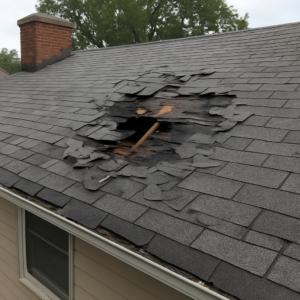
- Missing shingles
- Exposed underlayment or decking
- Cracked or dented flashing
- Gutter damage
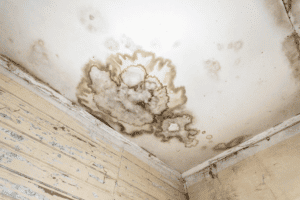
- Water stains or interior ceiling discoloration
Be sure to document both the exterior and interior of the property. Create a folder on your phone or cloud storage with timestamps and backup copies. This visual documentation is essential for supporting your roof insurance claim.
2. Protect Your Property
Take steps to prevent further damage, which is often a requirement in your insurance policy. This includes:
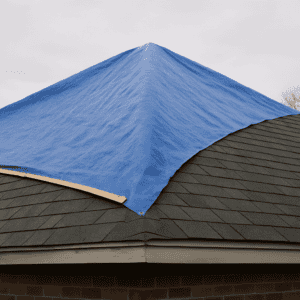
- Covering damaged areas with a tarp
- Removing debris from gutters
- Placing buckets or containers under leaks
- Calling a licensed contractor for emergency repairs
Keep receipts for any temporary work done—your insurer may reimburse these costs.
3. Review Your Insurance Policy
Not all policies cover the same perils. Locate your policy documents and review them carefully to understand:
- Coverage limits
- Exclusions
- Windstorm or hail endorsements
- Deductibles (including percentage-based deductibles for hurricanes or named storms)
- Time limits for reporting and completing repairs
If you have a copy saved digitally, it will make accessing this information easier during emergencies.
When to Contact a Public Adjuster
While some homeowners handle claims themselves, a public adjuster can be a valuable ally, especially when dealing with large losses or complex commercial roof systems. Public adjusters:
- Work exclusively for policyholders
- Interpret policy language
- Estimate damages independently
- Prepare detailed proof of loss statements
- Represent you in all communications with the insurer
If your damage exceeds $10,000 or you’ve experienced claim denials in the past, it’s wise to consult a public adjuster early in the process.
The Insurance Claim Process: Step-by-Step
Understanding each stage of the claim process helps you prepare, avoid delays, and ensure a smoother experience.
Step 1: Report the Claim
Start by notifying your insurer through their claim hotline or online portal. You’ll typically need to provide:
- Your name and policy number
- Date and time of the storm
- Type of storm event (e.g., wind, hail)
- Brief description of the damage
Ask the representative for a claim reference number and contact details for your assigned adjuster.
Step 2: Insurance Adjuster Inspection
The insurer will assign an adjuster to inspect the damage. This visit may occur within days—or longer if it’s a widespread disaster. Be sure to:
- Be present during the inspection
- Ask questions about their findings
- Share your photo/video documentation
- Note their conclusions and recommendations
It’s wise to have your contractor or public adjuster attend this inspection to provide a second opinion.
Step 3: Claim Review and Estimate
The insurance company will review the adjuster’s report and issue a damage estimate. This typically includes:
- Line-by-line breakdown of materials and labour
- Replacement cost value (RCV) versus actual cash value (ACV)
- Any depreciation deductions
- Application of your deductible
You can—and should—review the estimate for accuracy. If it seems too low, request clarification or submit a contractor’s competing estimate.
Step 4: Claim Payout
Depending on your policy, payment is usually issued in stages:
- First payment: Based on ACV
- Final payment: Issued after work is completed and invoices submitted
Payments may be made via check, direct deposit, or through escrow if your mortgage lender is involved. Make sure you follow up if payment timelines are missed.
Common Challenges in Storm Damage Roof Insurance Claims
Home and business owners often encounter issues that slow down or jeopardize their claims.
Denial or Underpayment
Denials typically stem from these issues:
- Damage attributed to wear and tear
- Incorrect documentation
- Failure to mitigate further damage
- Missed claim filing deadlines
Even if partially approved, the payout may not reflect true market costs for repairs. A roof damage insurance claim should be thoroughly reviewed by a qualified adjuster to ensure fairness.
Delays in Processing
After large-scale storms, insurers may be overwhelmed. Delays can include:
- Long wait times for inspections
- Inconsistent communication
- Slow disbursement of funds
Be proactive and follow up regularly. Document every communication in writing.
Disputes Over Repair Scope
Insurers sometimes approve minor patch repairs when your contractor recommends full replacement. This conflict can stem from differing interpretations of:
- Building codes
- Roof manufacturer guidelines
- Cosmetic vs. structural damage
You can dispute the scope by submitting expert opinions and policy references.
Roof Insurance Claim Tips for Homeowners & Property Managers
Increase your chances of a smooth claim with these tips:
- File promptly and meet all deadlines
- Keep a claim journal with names, dates, and call summaries
- Save copies of all communication and documentation
- Use licensed contractors experienced in insurance restoration
- Don’t sign insurance checks without understanding the terms
If possible, establish a long-term relationship with a trusted roofer or public adjuster before disaster strikes.
Types of Storm Damage Covered
Most standard policies cover specific types of storm damage:
- Wind damage: Torn shingles, exposed roof decks, fallen antennas
- Hail damage: Dents, granule loss, cracked tiles
- Debris impact: Tree limbs or debris puncturing the roof
- Rainwater intrusion: Provided it entered due to storm damage
- Lightning strikes: May cause fire, electrical or physical roof damage
Flooding, mold, and damage due to maintenance neglect are generally excluded unless you carry separate riders.
Replacement vs. Repair: How Insurers Decide
Insurers analyze the following when determining coverage:
- Percent of roof area damaged (25% or more may require replacement)
- Structural integrity post-event
- Manufacturer warranty requirements
- Color and texture match (discontinued materials may justify replacement)
Get professional estimates and opinions to support your preferred outcome, especially if total roof replacement is necessary.
Recent Trends Impacting Roof Damage Insurance Claims
The insurance industry is evolving quickly—here’s how trends may impact your roof insurance claim:
Higher Deductibles and Coverage Limits
Many policies now have higher deductibles for wind/hail or named storm events. Some also impose roof age restrictions or exclude cosmetic damage.
Stringent Inspection Requirements
Insurers are increasingly requiring drone inspections or satellite verification. While these tools speed up assessments, they may miss nuanced damage seen only from up-close, manual inspections.
Increased Disputes and Litigation
Denied or undervalued claims are leading to a rise in complaints and lawsuits against insurers. Public adjusters and legal counsel are playing a larger role in claim resolution.
FAQs About Storm Damage Roof Insurance Claims
How long do I have to file a claim?
Policies vary, but most require you to notify within 30–60 days. Some states allow up to a year. Always check your specific policy.
What should I do if mold appears after the storm?
Notify your insurer right away. Some policies cover mold if it results from a covered peril. Document the issue and get a licensed professional to inspect.
Can I upgrade my roof during repairs?
Yes, but upgrades beyond your policy’s covered cost will be your responsibility. Coordinate with your contractor to separate covered repairs from upgrades.
What if the roofing contractor finds more damage?
Notify your insurer immediately. Supplemental claims may be submitted for hidden damages discovered during repairs.
Why Work With a Public Adjuster
Public adjusters are especially helpful when:
- You’re unfamiliar with policy language
- The insurer’s estimate seems low
- There’s a disagreement on repair scope
- You’re too busy to manage the claim yourself
They advocate for you throughout the process and are only paid if you receive a payout.
Final Thoughts
Navigating a storm damage roof insurance claim can feel overwhelming, especially when dealing with unexpected property damage and insurer red tape. But with proper documentation, awareness of your rights, and support from experienced professionals, you can secure a fair and timely settlement.
Be proactive: understand your policy, act fast after the storm, and don’t hesitate to seek help from a licensed public adjuster or contractor familiar with storm-related claims.
Get Help From Licensed Public Adjusters
Need expert help with your roof insurance claim? The licensed public adjusters at C2C Adjuster are ready to assist. We advocate for policyholders like you to ensure your storm damage claim is accurately assessed and fairly paid.
Call us today at (407) 516-7277 or email info@c2cadjuster.com to schedule your free consultation.