Mold damage is a serious concern for Florida homeowners, particularly in Orlando where humidity and moisture create ideal conditions for mold growth. When mold appears after water damage, property owners naturally turn to their insurance policies for help. However, navigating an Orlando insurance claim for mold damage can be surprisingly complex. Understanding how insurance companies handle these claims and what red flags to watch for can make the difference between a fair settlement and an underpayment.
Understanding Mold Coverage in Orlando Homeowner Policies
Most standard homeowner insurance policies in Florida provide limited coverage for mold damage, but there are important conditions attached. Mold coverage typically applies only when the mold results from a covered peril, such as a sudden pipe burst, roof leak during a storm, or appliance malfunction. If mold develops due to long-term maintenance issues or high humidity levels, insurance companies will likely deny the claim.
The key distinction insurance adjusters look for is whether the water damage was sudden and accidental or gradual and preventable. For mold insurance claims Orlando residents file, insurers often scrutinize the timeline carefully. They may argue that homeowners should have discovered the moisture problem earlier or taken preventive measures. This is why documenting the discovery of water damage and acting quickly is essential for protecting your claim.
Many Florida policies also include specific mold damage caps, often ranging from $10,000 to $25,000. While this might seem adequate for minor remediation, significant mold infestations affecting multiple rooms or structural components can easily exceed these limits. Homeowners should review their policy declarations page to understand exactly what mold coverage they have and whether additional endorsements are available.
How Insurance Companies Evaluate Mold Claims
When you file a mold claim, the insurance company will dispatch an adjuster to inspect your property. Their primary goals are to determine the cause of the mold, assess the extent of damage, and calculate remediation costs. However, insurance adjusters work for the insurer, not for you, and their evaluations often favor the company’s financial interests.
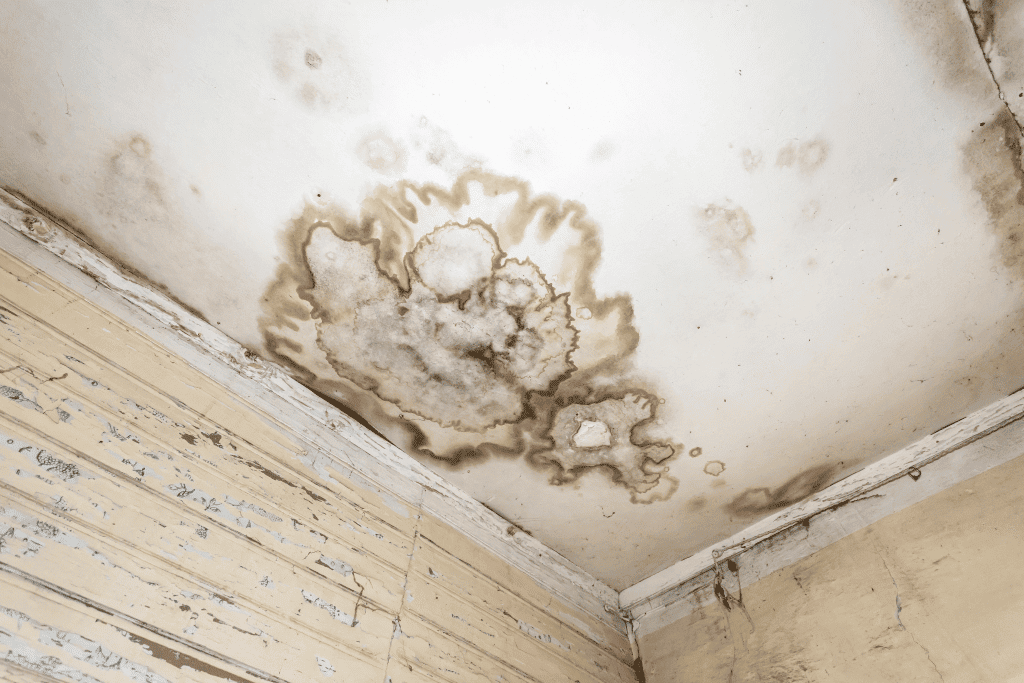
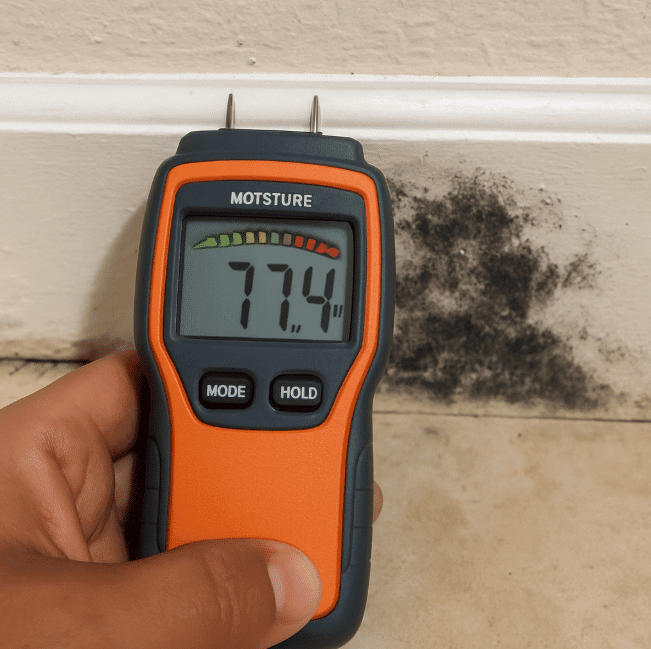
One common tactic is downplaying the severity of mold contamination. Adjusters may suggest that visible mold represents the full extent of the problem, even though mold often spreads behind walls, under flooring, or in HVAC systems. Professional mold remediation insurance claims should include comprehensive testing to identify hidden mold colonies. Without thorough inspection using moisture meters and thermal imaging, you risk accepting a settlement that covers only surface cleaning while leaving dangerous mold growth unaddressed.
Insurance companies also frequently challenge the connection between the covered water damage and the mold growth. They may argue that the mold existed before the insured event or resulted from separate, uncovered causes. This is particularly common when there is any delay between the water damage occurrence and when the mold claim is filed. Detailed photographic evidence, moisture readings, and professional mold inspection reports become crucial in establishing the causal relationship.
Another area where disputes arise involves the scope of necessary remediation. Insurers often prefer minimal interventions, such as surface cleaning and repainting, while proper mold remediation may require removing contaminated drywall, insulation, or even structural components. Certified mold remediation companies follow industry standards that prioritize safety and complete removal, but these thorough approaches cost more than the quick fixes insurers sometimes propose.
Red Flags to Watch For During the Claims Process
Rushed Inspections
If an insurance adjuster spends only 15 to 30 minutes inspecting your property for mold damage, that is a warning sign. Proper mold assessment requires examining multiple areas, using specialized equipment, and documenting conditions thoroughly. An adjuster who rushes through the inspection may miss critical evidence of contamination or fail to identify the full scope of water intrusion that caused the mold.
Lowball Initial Offers
Insurance companies often make settlement offers that fall well below the actual cost of proper remediation. They may reference outdated pricing data or exclude necessary steps like air quality testing or HVAC cleaning. Before accepting any offer for Orlando insurance claim for mold damage, obtain independent estimates from licensed mold remediation contractors who can provide detailed scope-of-work documents.
Denial Based on Maintenance Issues
One of the most common reasons insurers deny mold claims is by attributing the damage to lack of maintenance. They may claim that regular upkeep would have prevented the mold growth, even when the underlying cause was a sudden and covered event. This tactic shifts responsibility to the homeowner and allows the insurer to avoid paying legitimate claims. Documenting your home maintenance history and the sudden nature of the water damage helps counter these arguments.
Pressure to Use Preferred Vendors
While insurance companies cannot legally require you to use their preferred contractors, they often strongly encourage it. Preferred vendors may work quickly and keep costs low for the insurer, but their work may not always meet the highest standards for mold remediation. You have the right to choose your own licensed and certified remediation company. Quality remediation protects your health and property value, even if it means negotiating harder with the insurance company.
The Role of Professional Mold Testing and Documentation
Successful mold insurance claims Orlando homeowners file depend heavily on professional documentation. Indoor air quality testing provides scientific evidence of mold spore concentrations and identifies specific mold types present. Some mold species pose serious health risks, and this information can strengthen your case for comprehensive remediation coverage.
Moisture mapping is another valuable tool. Using thermal imaging cameras and moisture meters, professionals can identify water intrusion patterns and hidden moisture pockets where mold is likely growing. This data creates a visual record that counters insurer claims that the mold problem is minor or isolated. The more concrete evidence you provide, the harder it becomes for adjusters to minimize your claim.
Before and after photographs also play a critical role. Take detailed photos and videos of all affected areas as soon as you discover the mold. Include close-ups showing the extent of growth as well as wide shots that provide context about which rooms or structures are impacted. After remediation, document the cleaned areas and any repairs made. This photographic timeline becomes powerful evidence if disputes arise.
Common Mold Claim Disputes in Orlando
Orlando’s climate creates unique challenges for mold claims. High humidity, frequent afternoon thunderstorms, and hurricane season all contribute to moisture problems. Insurance companies are well aware of these conditions and may argue that mold resulted from Florida’s naturally humid environment rather than a specific covered event.
Disputes often center on timing. If mold appears weeks after a water event, insurers may contend that the delay proves the mold is unrelated or that inadequate drying efforts by the homeowner allowed mold to develop. However, mold can take time to become visible, especially when it begins growing inside wall cavities or beneath flooring. Professional mold inspectors can often determine approximate growth timelines that support your claim.
Another common dispute involves the difference between cleaning and remediation. Insurance adjusters may approve payment for surface cleaning but deny coverage for removing contaminated materials. True mold remediation insurance coverage should include removal and disposal of porous materials that cannot be adequately cleaned, such as drywall, insulation, carpeting, and certain types of wood. Fighting for proper remediation instead of cosmetic cleaning protects your family’s health and prevents mold recurrence.
When to Consider Hiring a Public Adjuster
Public adjusters are licensed professionals who work exclusively for policyholders, not insurance companies. They can be invaluable when handling complex mold claims where the insurer disputes coverage or offers inadequate settlements. A public adjuster thoroughly documents your damages, prepares detailed estimates, and negotiates directly with the insurance company on your behalf.
For Orlando insurance claim for mold damage cases involving significant contamination, multiple rooms, or structural issues, a public adjuster’s expertise often results in substantially higher settlements. They understand the tactics insurers use to minimize payouts and know how to counter these strategies with solid evidence and policy interpretation.
Public adjusters typically work on a contingency fee basis, meaning they receive a percentage of your final settlement. While this represents an additional cost, their services often pay for themselves many times over through increased settlement amounts. More importantly, they handle the stressful negotiations and paperwork, allowing you to focus on protecting your property and family.
If you are facing a denied mold claim, a lowball settlement offer, or an insurance company that refuses to acknowledge the full extent of your damages, professional representation becomes essential. At Coast2Coast Adjuster, experienced public adjusters understand the unique challenges of mold claims in Orlando’s climate. They work tirelessly to document damages properly, challenge unfair denials, and negotiate settlements that cover the true cost of safe and complete remediation.
Steps to Take When Filing a Mold Claim
1. Act Quickly After Water Damage
Time is critical when water damage occurs. Begin drying efforts immediately using fans, dehumidifiers, and proper ventilation. Document everything with photos and videos before starting cleanup. Quick action limits mold growth and demonstrates to insurers that you took reasonable steps to mitigate damages.
2. Report the Claim Promptly
Notify your insurance company as soon as you discover water damage or mold growth. Many policies have strict reporting deadlines, and delays can jeopardize coverage. Keep detailed records of all communications with your insurer, including dates, times, and the names of representatives you speak with.
3. Get Professional Mold Inspection
Hire a certified mold inspector to assess your property before the insurance adjuster arrives. This independent assessment provides baseline documentation of the contamination and helps ensure nothing gets overlooked during the insurer’s inspection. The inspector’s report becomes crucial evidence supporting your mold insurance claims Orlando filing.
4. Obtain Multiple Remediation Estimates
Get written estimates from at least two licensed mold remediation contractors. These estimates should detail all necessary work, from containment and removal through final clearance testing. Having multiple professional opinions prevents insurers from claiming your damages are overstated or your remediation plan is excessive.
5. Do Not Sign Away Your Rights
Be cautious about signing any documents provided by the insurance company, especially settlement agreements or releases. These documents may contain language that prevents you from pursuing additional compensation if more damage is discovered later. Review all paperwork carefully, and consider having a public adjuster or attorney examine settlement offers before accepting them.
Protecting Your Health and Home Value
Mold exposure can cause serious health problems, particularly for individuals with respiratory conditions, allergies, or compromised immune systems. Beyond health concerns, unresolved mold problems significantly decrease property values and can complicate future sales. Proper mold remediation insurance coverage protects both your family’s wellbeing and your investment in your home.
Do not let insurance company tactics pressure you into accepting inadequate settlements or incomplete remediation. Your policy is a contract, and you have the right to fair treatment and full coverage for valid claims. Standing firm on proper mold remediation is not being difficult; it is protecting what matters most.
If you discover mold or have already filed a claim that the insurance company denied or underpaid, professional help is available. Working with experienced public adjusters who understand Orlando insurance claim for mold damage procedures ensures your claim receives the attention and expertise it deserves.
Get Expert Help with Your Mold Claim Today
Dealing with mold damage is stressful enough without fighting your insurance company for fair treatment. The public adjusters at Coast2Coast Adjuster have the experience and knowledge to handle every aspect of your mold insurance claim. From initial inspection and documentation through final settlement negotiations, they advocate exclusively for your interests.
Whether you are just beginning the claims process or facing a denied or underpaid claim, professional representation can make a significant difference in your settlement. Do not accept less than you deserve. Contact Coast2Coast Adjuster today for a free consultation about your mold damage claim.
Call (407) 516-7277 or email info@ccauaa.com to speak with an experienced public adjuster who will fight for the maximum compensation your policy provides. You can also visit our contact page to schedule your consultation. Your mold claim deserves expert handling, and Coast2Coast Adjuster is ready to help you get the settlement you need for complete and safe remediation.