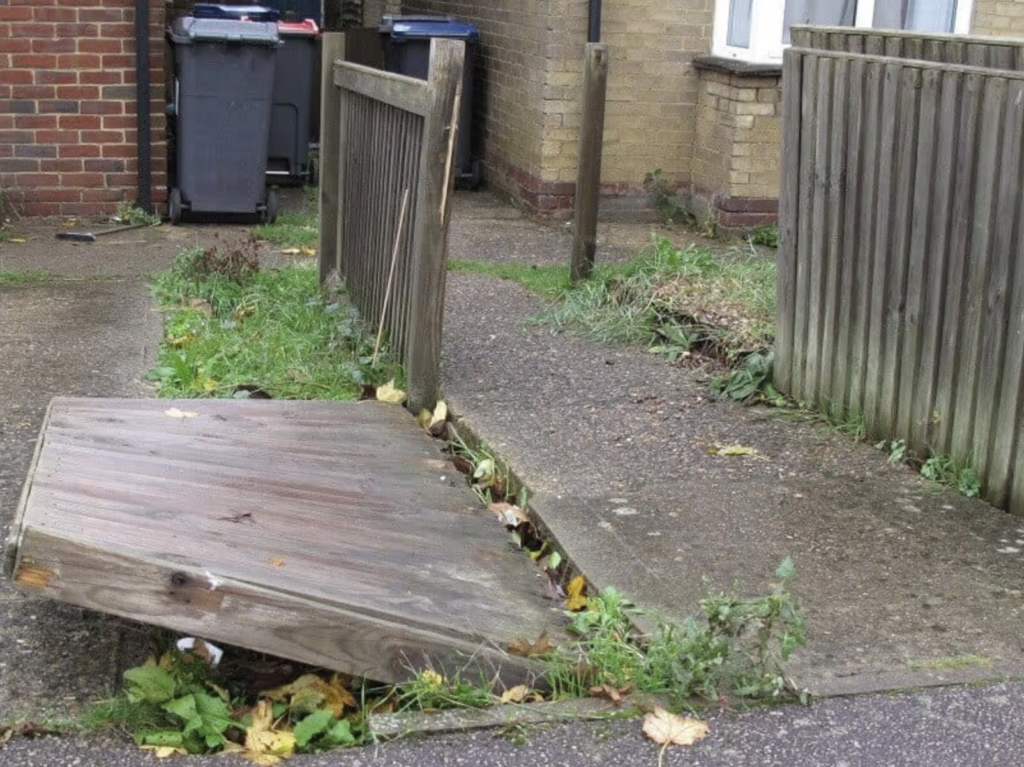
When powerful storms sweep through Orlando, fences are among the most vulnerable structures on your property. High winds, falling trees, and flying debris can quickly destroy even well-built fencing. The good news is that homeowners insurance typically covers fence damage from storms, but understanding the details of your coverage, exclusions, and claims process ensures you receive the compensation you deserve.
How Homeowners Insurance Covers Fence Damage
Fences are considered other structures under standard homeowners insurance policies. This coverage section protects detached structures on your property including fences, sheds, detached garages, gazebos, and other standalone buildings.
Other structures coverage typically equals 10% of your dwelling coverage. For example, if your home is insured for $300,000, you likely have $30,000 in other structures coverage. This amount covers all detached structures combined, not each structure individually.
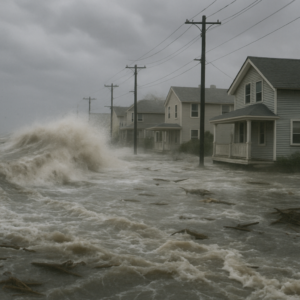
Storm damage to fences is covered when caused by covered perils such as wind, hail, falling objects, or weight of ice and snow. Since hurricane and storm damage are common in Orlando, fence damage claims are frequently filed after severe weather events.
Common Causes of Storm-Related Fence Damage in Orlando
Orlando’s weather patterns create multiple risks for fence structures. Understanding what typically damages fences helps you document claims properly:
- Hurricane-force winds: Florida’s hurricane season brings sustained winds that can topple entire fence sections or rip panels from posts.
- Falling trees and branches: Orlando’s abundant trees become hazards during storms. When they fall on fences, the damage is typically extensive and clearly covered.
- Flying debris: Storms turn loose items into projectiles. Trash cans, outdoor furniture, and construction materials can destroy fence panels when blown by high winds.
- Flooding and water damage: While standard homeowners policies don’t cover flood damage, they do cover fence damage from wind-driven rain and water accumulation from non-flood sources.
- Hail impact: Although less common in Orlando than wind damage, hail can dent metal fences or damage wood and vinyl materials.
What Types of Fence Damage Are Covered
Insurance covers various types of fence damage when caused by covered perils:
- Complete fence collapse from high winds
- Broken or missing fence panels
- Damaged or uprooted fence posts
- Bent or twisted metal fencing
- Gates torn from hinges or damaged beyond repair
- Cracked or split wooden fence components
- Damage from fallen trees or large branches
- Impact damage from wind-blown debris
The key factor is that damage must result from a sudden, covered event rather than gradual deterioration or lack of maintenance.
Coverage Exclusions for Fence Damage
While storm damage is typically covered, several situations fall outside standard homeowners insurance protection:
- Normal wear and tear: Fences deteriorating from age, sun exposure, or weather over time aren’t covered. Insurance doesn’t pay for maintenance or replacement due to aging.
- Flood damage: If your fence is damaged specifically by flooding, you need separate flood insurance. Standard homeowners policies exclude flood damage.
- Intentional damage: Damage you cause deliberately or through gross negligence isn’t covered.
- Termite or pest damage: Wooden fence damage from termites, carpenter ants, or other pests is excluded from coverage.
- Poor workmanship or defects: Fences that fail due to improper installation or manufacturing defects aren’t covered by homeowners insurance.
How to File a Fence Damage Claim
Properly documenting and filing your fence damage claim maximises your recovery:
Document damage immediately: Take extensive photos and videos from multiple angles showing the extent of damage. Photograph the entire fence line and close-ups of specific damage.
Note the storm details: Record the date, time, and nature of the storm. If possible, photograph evidence of the storm itself such as fallen trees or debris.
Prevent further damage: Secure your property if the damaged fence creates security or safety issues. Keep receipts for emergency repairs or temporary fencing.
Contact your insurance company: Report the claim promptly. Many policies require notification within a specific timeframe after discovering damage.
Get repair estimates: Obtain written estimates from licensed contractors for fence repair or replacement. Multiple estimates strengthen your claim.
Cooperate with the adjuster: The insurance company will send an adjuster to inspect the damage. Be present during the inspection to ensure all damage is noted.
Determining Your Coverage Limits
Understanding your coverage limits prevents surprises when filing a claim:
- Check your declarations page for other structures coverage amount
- Review whether you have replacement cost or actual cash value coverage
- Identify your deductible amount
- Determine if you have any special endorsements affecting fence coverage
- Consider whether multiple damaged structures will share the coverage limit
If your fence is particularly valuable or extensive, consider increasing your other structures coverage or adding a scheduled property endorsement specifically for the fence.
Replacement Cost vs. Actual Cash Value Coverage
The type of coverage you have significantly affects your claim payout:
Replacement cost coverage: Pays to replace your fence with new materials of similar quality without deducting for depreciation. This provides the best protection.
Actual cash value coverage: Pays replacement cost minus depreciation based on the fence’s age and condition. A ten-year-old fence receives less compensation than a new one.
For example, if replacing your damaged fence costs $8,000 and it was ten years old with a 20-year life expectancy, actual cash value coverage might only pay around $4,000 after depreciation. Replacement cost coverage would pay the full $8,000 minus your deductible.
Common Claim Disputes and How to Avoid Them
Insurance companies sometimes dispute fence damage claims. Protect yourself by understanding common issues:
Pre-existing damage arguments: Insurers may claim damage existed before the storm. Combat this with before-and-after photos showing the fence’s prior condition.
Maintenance neglect claims: If your fence was poorly maintained, insurers might argue damage resulted from neglect rather than the storm. Keep maintenance records.
Age-based denials: Some insurers limit coverage for older structures. Review your policy for any age-related restrictions on other structures coverage.
Matching issues: If only part of your fence is damaged, insurers may only pay for the damaged section. If matching materials aren’t available, negotiate for full fence replacement.
Including Fence Damage in Comprehensive Storm Claims
Storms often damage multiple structures on your property. Include everything in one comprehensive claim:
- Roof damage from wind or flying debris
- Siding, windows, or door damage
- Detached garage or shed damage
- Deck or patio damage
- Damaged landscaping within policy limits
- Water damage from roof leaks or wind-driven rain
- Pool equipment or outdoor structures
Filing one comprehensive claim for all storm damage is more efficient than multiple smaller claims and better protects your claims history.
When to Hire a Public Adjuster for Fence Claims
For significant fence damage, especially as part of larger storm damage, hiring a public adjuster can substantially increase your settlement.
Consider professional help when:
- The storm damaged your fence plus other structures or your home
- Your fence is extensive or particularly valuable
- The insurance company offers a settlement you believe is too low
- The insurer disputes coverage or claims pre-existing damage
- You’re too busy or stressed to handle the claims process yourself
- The claim is complex with multiple damaged items
Public adjusters work exclusively for policyholders, not insurance companies. They ensure all damage is documented, identify all applicable coverage, and negotiate for maximum compensation.
Preventing Future Fence Damage
While insurance provides financial protection, prevention reduces the likelihood of damage:
- Install fences designed for high-wind areas with proper bracing
- Use concrete footings deep enough to resist wind uplift
- Choose materials appropriate for Florida’s climate
- Trim nearby trees that could fall on fences during storms
- Secure gates and panels before predicted severe weather
- Perform regular maintenance to keep fences in good condition
- Replace deteriorating sections before storm season
Understanding Special Considerations for Pool Fences
Pool fences in Orlando have unique considerations:
Legal requirements: Florida law requires pool barriers. After storm damage, temporary fencing may be necessary until permanent repairs are completed.
Safety urgency: Damaged pool fences create immediate safety hazards. Insurance should cover emergency temporary fencing costs.
Code compliance: Replacement fences must meet current safety codes, which may differ from when the original fence was installed. Insurers should cover upgrades required by code.
Get Maximum Compensation for Your Fence Damage
If a storm damaged your Orlando fence, C2C Adjuster can help ensure you receive full compensation. We’ve helped countless homeowners successfully navigate fence damage claims and recover maximum settlements.
Our experienced public adjusters understand Orlando’s weather risks, local building codes, and insurance company tactics. We’ll thoroughly document your fence damage, review your policy for all applicable coverage, and negotiate aggressively to secure the compensation you deserve.
Don’t let insurance companies undervalue your claim or deny coverage based on technicalities. Contact C2C Adjuster today for a free consultation. We’ll assess your damage, explain your coverage, and fight for every dollar you’re entitled to under your homeowners policy.