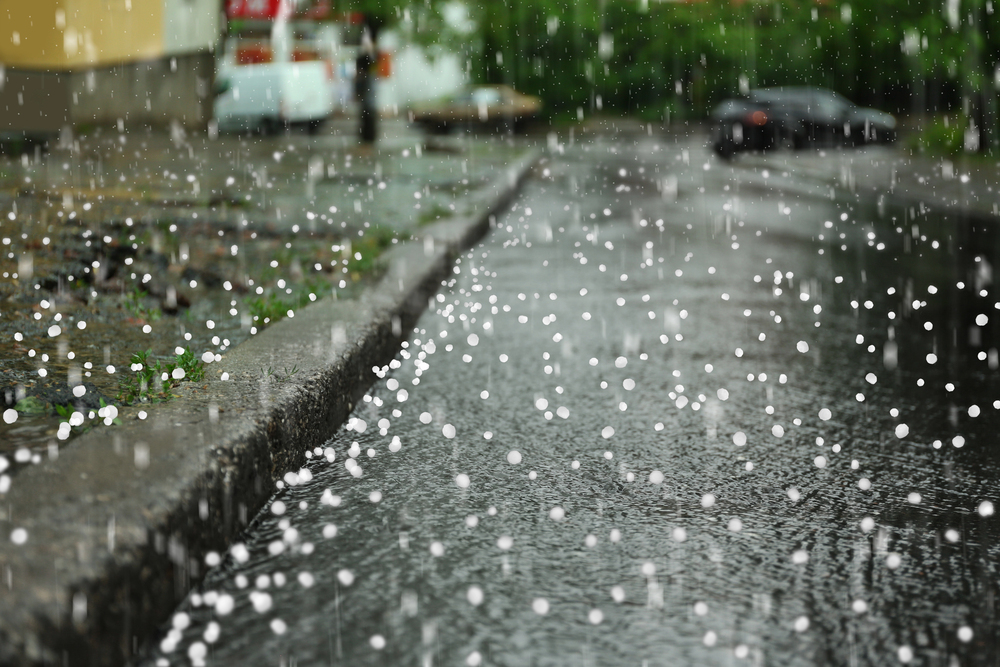
When a hailstorm damages your vehicle while parked at your South Carolina home, you might wonder which insurance policy covers the repair costs. The answer isn’t always straightforward and depends on several factors including where the damage occurred, what type of policies you have, and the specific circumstances of the storm. Understanding how homeowners and auto insurance interact regarding hail damage helps you file the right claim and maximize your recovery.
Understanding Hail Damage Coverage Basics
Hail damage to vehicles is typically covered under auto insurance comprehensive coverage, not homeowners insurance. However, South Carolina homeowners should understand that in specific situations, your homeowners policy might provide some protection or interact with your auto coverage in important ways.
Here’s how coverage generally breaks down:
- Auto insurance comprehensive coverage: This is your primary protection for hail damage to vehicles. It covers weather-related damage regardless of where your vehicle was parked.
- Homeowners insurance: Generally doesn’t cover vehicles but may cover permanent structures like carports or garages damaged by hail. Some policies include limited coverage for vehicles damaged by specific property-related incidents.
- Liability considerations: If your property damage caused vehicle damage to others during the hailstorm, your homeowners liability coverage might apply.
When Homeowners Insurance Might Cover Vehicle Damage
While rare, certain scenarios exist where homeowners insurance could provide coverage for vehicle damage during a hailstorm:
Falling debris from your property: If hail damages a structure on your property and that structure then falls on your vehicle, homeowners insurance might cover the vehicle damage under dwelling or other structures coverage.
Damaged carport or garage: Your homeowners policy covers hail damage to carports, garages, and other structures on your property. If debris from these structures damages your vehicle, you might have a claim.
Comprehensive storm damage claims: When filing a large hail damage claim for your property, document all damage including to vehicles for complete records, even if ultimately covered under auto insurance.
South Carolina Hail Patterns and Risk Areas
South Carolina experiences varying hail risk depending on location and season. Understanding local patterns helps you prepare and protect your vehicles:
- The Upstate region experiences more frequent hailstorms than coastal areas
- Spring and early summer bring the highest hail risk
- Severe thunderstorms often produce damaging hail
- Golf ball-sized hail occurs several times annually in some areas
- Hailstorms frequently accompany other severe weather events
When hail accompanies severe storms, you may have damage to both your vehicle and home. In these cases, you’ll likely file separate claims under auto and homeowners policies, but documenting everything together ensures nothing is missed. Learn more about hurricane and storm damage claims that often include hail components.
How Auto Insurance Handles Hail Damage
Since auto insurance typically covers vehicle hail damage, understanding how these claims work helps you navigate the process:
Comprehensive coverage requirement: You must have comprehensive coverage on your auto policy. Liability-only policies don’t cover hail damage.
Deductible application: You’ll pay your comprehensive deductible before insurance covers the rest. Common deductibles range from $250 to $1,000.
Repair or total loss determination: If hail damage repair costs exceed your vehicle’s value, the insurer may declare it a total loss and pay actual cash value.
No-fault coverage: Comprehensive claims don’t count as at-fault accidents, so they typically have less impact on your premiums than collision claims.
Filing Claims for Hail Damage to Property and Vehicles
When a hailstorm damages both your South Carolina home and vehicles, strategic claim filing maximizes your recovery:
Document everything immediately: Take photos and videos of all damage before any cleanup or repairs. Document hail size if possible by photographing hailstones with a ruler or common object for scale.
File both claims promptly: Report vehicle damage to your auto insurer and property damage to your homeowners insurer. Don’t delay as some policies require prompt notification.
Keep detailed records: Maintain separate files for auto and homeowners claims, but cross-reference them. Note the date, time, and storm details for both.
Don’t overlook related damage: Hailstorms often cause roof damage, siding damage, window damage, and gutter damage. Include all property damage in your homeowners claim.
Common Types of Hail Damage to Vehicles
Understanding typical hail damage helps you identify all issues when filing your auto insurance claim:
- Dents on hood, roof, and trunk panels
- Cracked or shattered windshields and windows
- Damaged side mirrors
- Chipped or cracked paint
- Dented or damaged trim and moldings
- Broken taillights or headlights
- Damaged convertible tops or sunroofs
Some damage may not be immediately visible. Have a professional inspect your vehicle thoroughly to identify all hail damage before settling your claim.
What Your Homeowners Policy Does Cover in Hailstorms
While vehicles typically aren’t covered, your South Carolina homeowners insurance covers extensive hail damage to your property:
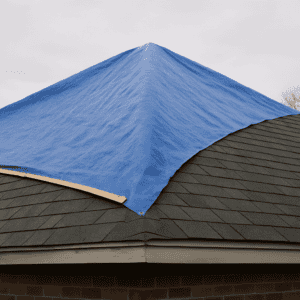
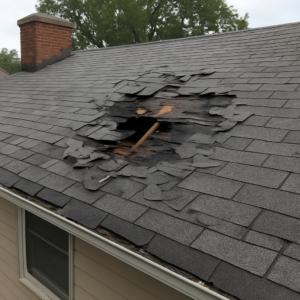
- Roof damage including shingles, flashing, and gutters
- Siding and exterior wall damage
- Window and door damage
- Skylights and roof vents
- HVAC units and other exterior equipment
- Decks, fences, and other structures
- Outdoor furniture and fixtures
- Landscaping within policy limits
A comprehensive assessment of all property damage ensures you don’t leave money on the table when filing your homeowners claim.
Protecting Vehicles from Hail Damage
Prevention is always better than filing claims. Protect your vehicles from hail damage with these strategies:
Build or use covered parking: Garages, carports, and covered parking areas provide excellent hail protection. This investment pays off in reduced damage and insurance claims.
Monitor weather forecasts: When severe weather is predicted, move vehicles under cover. Even temporary shelter helps during warned storms.
Use car covers: Specialized hail protection covers and blankets can minimize damage if you’re caught without covered parking during a storm.
Install weather alerts: Smartphone apps and weather radios provide advance warning, giving you time to protect vehicles.
How Public Adjusters Help with Storm Damage Claims
When hailstorms damage your property, hiring a public adjuster for your homeowners claim can significantly increase your settlement. While public adjusters don’t handle auto insurance claims, they maximize recovery on the property damage portion.
Public adjusters help by:
- Conducting thorough inspections to identify all hail damage
- Documenting damage with professional photography and reports
- Preparing accurate repair estimates
- Reviewing your policy to identify all applicable coverage
- Negotiating with insurance companies for maximum payouts
- Handling all claim paperwork and communications
At C2C Adjuster, we’ve helped numerous South Carolina homeowners recover full compensation after hailstorms. We understand how to identify hidden damage and fight for every dollar you’re owed.
Coordinating Multiple Insurance Claims
When you have both vehicle and property damage from the same hailstorm, coordination prevents confusion and ensures complete recovery:
Maintain separate claim files: Keep documentation for auto and homeowners claims separate, but note they’re related to the same storm event.
Use consistent documentation: Provide the same storm date, time, and details to both insurers. Inconsistencies can raise red flags.
Share adjuster reports appropriately: If one insurer requests information about the other claim, provide it honestly. Transparency prevents accusations of fraud.
Track all expenses: Keep receipts for vehicle repairs, property repairs, temporary housing if needed, and any storm-related costs. Different policies may cover different expenses.
Understanding Deductibles Across Policies
When filing multiple claims for hail damage, understanding how deductibles work helps you budget for out-of-pocket costs:
- Auto comprehensive deductibles are per vehicle per incident
- Homeowners deductibles apply once per claim regardless of damage extent
- Some South Carolina policies have special wind or hail deductibles
- Percentage deductibles calculate based on dwelling coverage amount
- You cannot combine deductibles from different policies
Review both policies carefully to understand your total out-of-pocket costs before filing claims.
Related Storm Damage to Document
Hailstorms rarely occur in isolation. Other damage from the same storm system should be included in your claims:
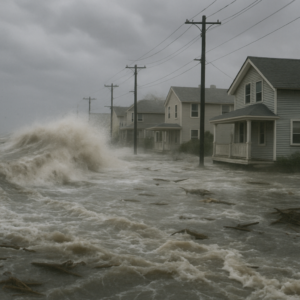
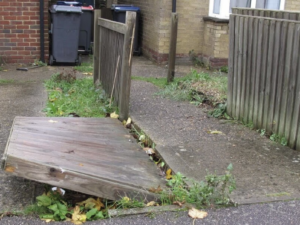
- Wind damage to roofing, siding, or fences
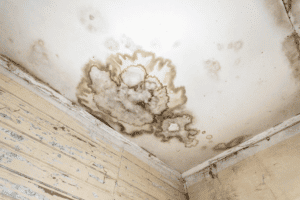
- Water damage from heavy rain or roof leaks caused by hail
- Fallen trees or branches that damaged your property
- Debris scattered across your yard
- Damage to outdoor structures and equipment
Comprehensive documentation of all storm damage ensures you recover the full value of your losses.
Get Expert Help with Your Hail Damage Claims
If a hailstorm damaged your South Carolina property, C2C Adjuster can help you maximize your homeowners insurance recovery. While we don’t handle auto claims, we ensure your property damage claim includes all covered losses.
Our experienced public adjusters understand South Carolina weather patterns, local building codes, and insurance company tactics. We’ll inspect your property thoroughly, document all damage, and negotiate aggressively to secure the maximum settlement you deserve.