
If you’re dealing with mold damage in Orlando and your insurance claim just got denied—or severely underpaid—you’re not alone.
Thousands of homeowners across Central Florida are facing the same uphill battle. Despite paying premiums for years, many policyholders are left scrambling when insurers downplay or outright reject their legitimate claims.
The frustration doesn’t just lie in the financial loss. Mold can wreak havoc on your health, damage your home’s structure, and disrupt your life for weeks or even months. It’s not a minor inconvenience—it’s a serious issue that deserves fair compensation.
Let’s break down why this happens, the tactics insurers use, and what you can do to protect your home and your rights.
Why Mold and Water Damage Claims Are So Common in Orlando
Orlando’s subtropical climate—with its frequent rainstorms, high humidity, and hurricane season—creates the perfect environment for water damage and mold growth. Even a seemingly minor leak can cause a significant problem if not handled swiftly and properly.
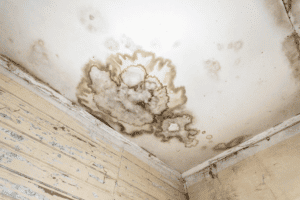
One of the major concerns is how quickly mold can begin forming. In Florida’s humid conditions, it can take just 24 to 48 hours after water exposure for mold spores to multiply. Once mold takes hold, it often spreads behind walls, under floors, and throughout HVAC systems before it’s visible.
Most mold damage claims in Orlando actually stem from an initial water damage claim, such as:
-
Burst pipes
-
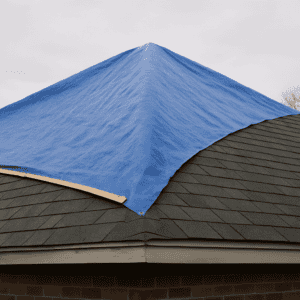
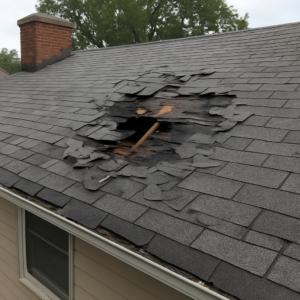
Roof leaks caused by wind or hail
-
HVAC malfunctions that cause condensation or leaks
-
Flooding from heavy rains or backed-up drainage systems
The challenge? Insurance companies often accept the water damage portion but deny the resulting mold claim. Or, they might approve both but severely undervalue them, leaving homeowners without the means to complete repairs or remediation.
The Real Reason Your Mold Damage Claim Was Denied or Underpaid
Insurance companies are in business to make a profit. And when it comes to Orlando mold damage claims, they often rely on legal loopholes, vague policy language, and delay tactics to avoid paying the full cost.
Here’s how they do it:
1. Policy Limitations on Mold Coverage
Many homeowners are shocked to discover that their insurance includes a low cap on mold-related damage—often just $5,000 to $10,000. That’s rarely enough to cover professional remediation, replacement of affected materials, or relocation expenses during cleanup.
2. Misclassification of Damage
Insurers may argue the mold was due to poor maintenance or long-term neglect, rather than sudden and accidental damage. This is a common excuse used to deny legitimate mold damage claims Orlando homeowners file after a water event. Insurers might also claim that the mold existed before the water event, shifting blame to the policyholder.
3. Delays and Lowball Offers
Adjusters may take weeks to respond or provide partial estimates that only include visible damage. These delays not only cause stress but also allow the mold problem to worsen. In many cases, the initial payout won’t reflect the full scope of the damage, forcing homeowners to pay out of pocket or go without necessary repairs.
What Makes Orlando Mold Claims Even More Difficult
Beyond just the insurance company tactics, the local climate adds another layer of complexity.
-
Humidity accelerates mold growth, even in well-maintained homes. Mold thrives in Orlando’s moisture-rich environment, especially in poorly ventilated areas like attics, basements, and crawl spaces.
-
Water damage spreads fast, especially during storm season when roof leaks and floodwaters go unnoticed. Heavy storms can create multiple leak points that are hard to track without professional inspection.
-
Hidden mold behind walls or under flooring often isn’t discovered until months later—long after the original claim is closed. This gives insurers another reason to argue that the damage is unrelated or not covered under your policy.
Additionally, many homeowners aren’t aware of what their policies do or don’t cover when it comes to mold. Some policies have specific exclusions, and others only offer limited mold coverage unless riders or endorsements are added.
Common Issues in Water Damage Claims
Understanding how water damage claims are handled is key to building a strong case for mold damage. These claims are often the precursor to mold claims and can significantly affect your ability to recover costs.
Common issues include:
-
Undervalued claims due to outdated estimating tools like Xactimate, which may not reflect local labor or material costs
-
Surface-level inspections that ignore hidden water intrusion or future mold risks
-
Denials for delayed reporting, even if you acted promptly but couldn’t access the damage area right away
-
Rejection of mold remediation expenses as being separate from the water event, when in reality they are directly connected
Insurers may also misinterpret or manipulate timelines to suggest that water or mold damage was preventable, placing blame on the homeowner for not acting sooner.
If your mold damage Orlando incident started with a leak, roof issue, or flood, be sure your documentation clearly ties both events together.
Your Mold Claim Might Be Worth More Than You’re Told
Mold damage isn’t just a cleaning job—it often impacts your home’s structure, your health, and your belongings. If you’ve received a settlement offer that only covers surface-level repairs, chances are your claim has been underpaid.
Legitimate mold claims should include:
-
Structural repairs (drywall, insulation, subfloors, framing)
-
HVAC and ductwork decontamination or replacement
-
Certified mold remediation services with air quality testing
-
Replacement of contaminated furniture, rugs, and personal items
-
Hotel or relocation costs while your home is unsafe to live in
If your insurer didn’t factor in these costs, it’s likely they didn’t fully investigate or consider the full extent of your loss.
The Legal Landscape: Florida Laws Make It Harder for Homeowners
Recent legislative changes in Florida have had a significant impact on homeowner insurance rights. Lawmakers have implemented new rules that make it more difficult to sue insurers, recover attorney’s fees, or assign benefits to contractors.
Key changes include:
-
Shorter time frames to file claims (often 1 year for reopened or supplemental claims)
-
Restrictions on attorney fee recovery, which discourages homeowners from taking legal action
-
Limitations on Assignment of Benefits (AOB), reducing the ability to transfer claims to contractors who can expedite repairs
These laws have shifted the burden to the homeowner. Insurers now have less incentive to resolve disputes fairly, and more homeowners are left navigating a complicated claims process alone.
What You Can Do: Steps to Take After a Denied or Underpaid Claim
If you’re struggling with an undervalued or denied mold damage claim in Orlando, don’t give up. Take the following steps to improve your chances of a successful claim or appeal:
1. Request a Detailed Explanation
Insist on a written explanation from your insurer outlining why they denied the claim or issued a low settlement. This helps identify the exact points of disagreement.
2. Get a Second Opinion
Bring in a licensed mold remediation specialist or certified public adjuster. They can assess the true cost of the damage and provide documentation to support a revised claim.
3. Document Everything
Photograph all damage, keep records of expenses, save all communications, and maintain a repair log. This creates a comprehensive file that supports your claim.
4. Hire a Public Adjuster
Public adjusters represent your interests, not the insurer’s. They can:
-
Evaluate your policy and determine true coverage
-
Thoroughly inspect all damage
-
Negotiate directly with the insurance company on your behalf
-
Help you reopen or appeal a denied claim
Don’t navigate this process alone when professional guidance is available.
Why Choose C2C Adjuster for Mold and Water Damage Claims in Orlando?
At C2C Adjuster, we’ve helped countless homeowners in Orlando and surrounding areas recover fair compensation after mold and water damage claims. We specialize in identifying missed damage, challenging unfair denials, and negotiating higher payouts.
Our licensed team will:
-
Carefully evaluate your insurance coverage and identify hidden limitations
-
Conduct a thorough inspection of all visible and hidden mold or water damage
-
Handle communications and documentation with your insurer
-
Work tirelessly to recover the full value of your losses
We are proud to be fully licensed and local to Florida.
Firm License Number: W874722
Don’t Settle for Less Than You Deserve
If your mold or water damage claim has been denied, delayed, or underpaid, it’s time to take action.
📞 Call C2C Adjuster today at (407) 516-7277
📧 Email: info@c2cadjuster.com
Schedule a free consultation. Let us review your claim, fight for your rights, and help you get the compensation you’re owed.
You’ve paid your premiums—now let’s make sure you get what you’re entitled to.
You’re Not Alone in This
Mold damage claims in Orlando are often underpaid not because they’re invalid—but because insurers know most homeowners won’t fight back. With the right support and guidance, you can level the playing field.
At C2C Adjuster, we believe every homeowner deserves to be treated fairly. Our mission is to stand by your side, provide expert help, and make sure no one gets left behind by a system designed to confuse and delay.
If you’re stuck wondering why your Orlando mold damage claim isn’t being taken seriously, don’t wait for another rejection. Contact the experts who will advocate for you from start to finish.