Skip to content

Understanding whether you have fire insurance coverage is crucial for North Carolina homeowners. While most homeowners policies include fire protection, the extent of coverage varies significantly between policies. Knowing what’s covered, how to verify your protection, and what to do if fire damages your home can make the difference between full recovery and devastating financial loss.
What Fire Insurance Actually Means
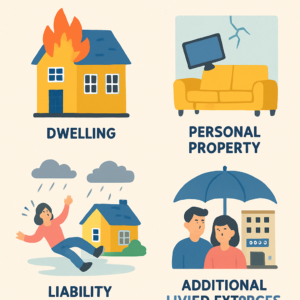
Fire insurance isn’t typically a standalone policy but rather a critical component of your homeowners insurance. In North Carolina, standard homeowners policies cover fire damage under what’s called dwelling coverage, which protects the physical structure of your home.
Fire coverage typically includes:
- Damage from direct flames and heat
- Smoke damage throughout the home
- Water damage from firefighting efforts
- Damage from explosions related to the fire
- Soot and ash damage to surfaces and belongings
- Emergency repairs needed to secure the property
Understanding the full scope of fire damage claims helps ensure you identify all covered losses after a fire, not just obvious structural damage.
How to Check If You Have Fire Coverage
Verifying your fire insurance coverage requires reviewing your homeowners insurance policy documents. Here’s how to confirm you’re protected:
Locate your declarations page: This summary document lists all your coverage types and limits. Look for dwelling coverage, which almost always includes fire protection.
Review the covered perils section: Your policy will list specific events it covers. Fire should be explicitly mentioned among the named perils.
Check your coverage amount: Knowing you have fire coverage isn’t enough. Verify the dwelling coverage limit is sufficient to rebuild your home at current construction costs.
Contact your insurance agent: If you can’t locate your policy or understand the coverage, call your insurance agent. They can explain your protection in plain language.
Request a policy copy: If you don’t have current policy documents, your insurance company must provide them upon request. Keep these documents in a safe, accessible location.
Types of Homeowners Policies in North Carolina
Different policy types offer varying levels of fire protection. Understanding which type you have clarifies your coverage:
HO-1 Basic Form: Covers 10 named perils including fire and lightning. This bare-bones policy is rare today but does include fire coverage.
HO-2 Broad Form: Extends coverage to 16 named perils including fire, smoke damage, and explosion. More comprehensive than HO-1.
HO-3 Special Form: The most common policy type. Covers your dwelling against all perils except those specifically excluded. Fire is definitively covered.
HO-5 Comprehensive Form: Premium coverage protecting both dwelling and personal property on an open-perils basis. Excellent fire protection with fewer exclusions.
HO-8 Older Home Form: Designed for older homes where replacement cost exceeds market value. Still includes fire coverage but may limit payout to actual cash value.
Understanding Coverage Limits and Exclusions
Having fire insurance doesn’t guarantee unlimited coverage. Several important limitations affect what you can claim:
Dwelling coverage limits: Your policy pays up to the stated limit for rebuilding your home. If your home is underinsured, you’ll face significant out-of-pocket costs.
Personal property limits: Coverage for belongings damaged in the fire is typically 50–70% of dwelling coverage. High-value items may need additional coverage.
Actual cash value vs. replacement cost: Replacement cost coverage rebuilds without depreciation. Actual cash value deducts for age and wear, resulting in lower payouts.
Temporary living expenses: Most policies cover additional living expenses while your home is uninhabitable, but with time and amount limits.
Intentional acts exclusion: Fires you deliberately set are never covered. Insurance fraud carries serious legal consequences.
What Fire Damage Is Covered
Fire insurance in North Carolina typically covers an extensive range of damage beyond just burned structures:
- Structural damage to walls, floors, ceilings, and roof
- Built-in appliances, cabinets, and fixtures
- Electrical, plumbing, and HVAC systems
- Flooring, carpeting, and tile
- Windows, doors, and trim
- Smoke and soot damage throughout the home
- Water damage from sprinklers or firefighting
- Personal belongings destroyed in the fire
- Detached structures like garages or sheds
- Landscaping in some policies with specific limits
The key is comprehensive documentation of all damage. Many homeowners underestimate the full extent of fire damage, especially smoke and water damage in areas not directly burned.
Common Scenarios Where Fire Coverage Applies
Understanding when your fire coverage applies helps you know when to file a claim:
Kitchen fires: Cooking accidents are the leading cause of home fires. Your policy covers resulting damage regardless of fault.
Electrical fires: Faulty wiring, overloaded circuits, or defective appliances causing fires are covered events.
Wildfire damage: North Carolina’s woodland areas face wildfire risk. Standard policies cover wildfire damage to your home.
Lightning strikes: Lightning-caused fires and the resulting damage are covered perils in all standard policies.
Neighboring property fires: If fire spreads from a neighbor’s property to yours, your insurance covers your damage regardless of who started the fire.
Steps to Take If You Don’t Have Fire Coverage
If you discover you lack adequate fire insurance, take immediate action to protect yourself:
- Purchase homeowners insurance immediately
- Increase existing coverage limits
- Add replacement cost coverage
- Consider extended replacement cost
- Schedule high-value items
How to File a Fire Insurance Claim
If fire damages your North Carolina home, prompt and proper claim filing is crucial:
Ensure safety first: Don’t enter a fire-damaged structure until authorities confirm it’s safe. Your safety matters more than documentation.
Contact your insurance company: Report the fire immediately. Most policies require prompt notification, and delays can jeopardize your claim.
Document everything: Take extensive photos and videos of all damage. Document the fire’s aftermath from multiple angles before any cleanup begins.
Create an inventory: List all damaged or destroyed personal property with descriptions, approximate purchase dates, and values. Receipts and photos help support values.
Prevent further damage: Board up openings, tarp damaged roof areas, and remove water from firefighting efforts. Save receipts for these emergency expenses.
Keep all receipts: Document temporary housing costs, meals, clothing replacement, and other fire-related expenses. Your policy’s additional living expense coverage may reimburse these costs.
Why You Should Consider Hiring a Public Adjuster
Fire damage claims are often complex and involve significant money. Many North Carolina homeowners benefit from hiring a public adjuster to handle their claim.
Public adjusters provide:
- Expert damage assessment identifying all covered losses
- Detailed documentation supporting maximum claim value
- Policy analysis ensuring you use all available coverage
- Professional negotiation with insurance companies
- Handling of all paperwork and communications
- Protection against lowball settlement offers
Insurance company adjusters work for the insurer, not you. They’re incentivized to minimize payouts. A public adjuster works exclusively for you, fighting to maximize your settlement.
Related Coverage You Should Know About
Beyond fire coverage, your homeowners policy may include protection for related damage types:
If firefighting efforts caused water damage and plumbing issues, these are typically covered as part of fire damage claims.
Smoke can lead to mold growth if not properly remediated. Document any mold issues that develop after a fire.
If the fire was caused by a storm with lightning, you might have additional storm damage to claim beyond just fire damage.
Protecting Your North Carolina Home
Knowing you have fire insurance provides peace of mind, but prevention remains your best protection. Take these steps to reduce fire risk:
- Install and maintain smoke detectors on every level
- Keep fire extinguishers accessible in key locations
- Have your electrical system inspected regularly
- Clean dryer vents and chimneys annually
- Never leave cooking unattended
- Store flammable materials properly
- Create and practice a fire escape plan with your family
Get Expert Help with Your Fire Insurance Questions
If you’re unsure about your fire insurance coverage or need help filing a claim, C2C Adjuster can help. We assist North Carolina homeowners in understanding their policies, documenting fire damage, and negotiating maximum settlements.
Our public adjusters have extensive experience with fire damage claims. We’ll review your policy, assess all damage including hidden smoke and water damage, and fight for the full compensation you deserve. Don’t settle for less than your losses. Contact us today for a free consultation about your fire insurance coverage or claim.