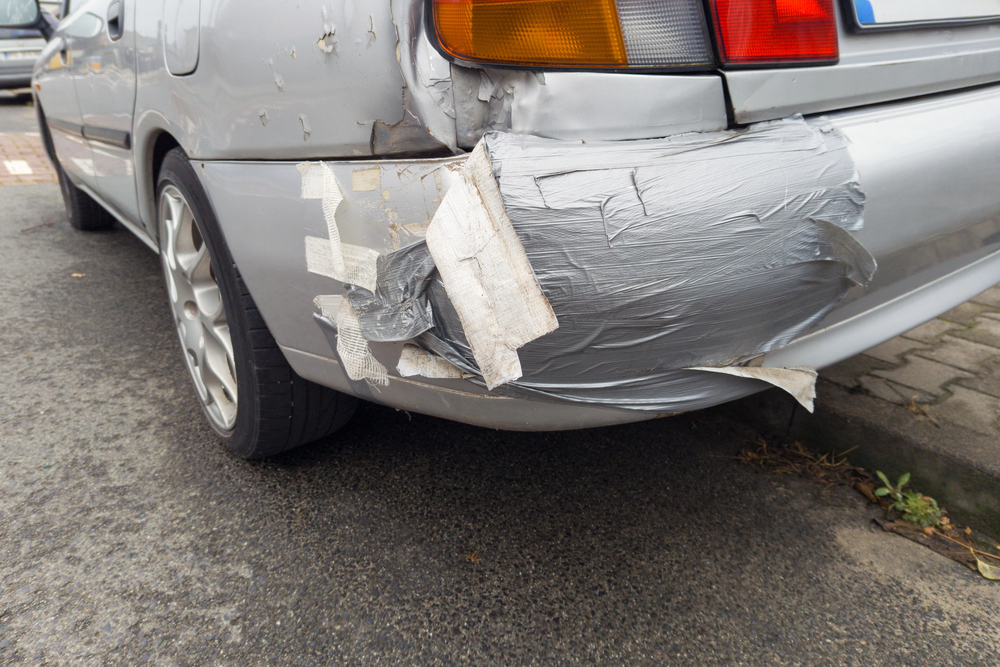
Discovering damage to your vehicle’s bumper raises an important question: should you file an insurance claim or pay for repairs out of pocket? While this decision might seem straightforward, several factors specific to Jacksonville homeowners and the nature of the damage should influence your choice. Understanding when to file a claim and when to handle repairs yourself can save you money and protect your insurance rates.
When Homeowners Insurance Covers Vehicle Bumper Damage
Many Jacksonville homeowners don’t realize that certain types of vehicle damage may actually be covered under their homeowners insurance policy rather than their auto insurance. This distinction is crucial because it affects which policy you should file under and how the claim impacts your premiums.
Homeowners insurance typically covers vehicle damage when:
- A tree, branch, or debris from your property falls on your vehicle during a storm
- Hail damages your vehicle while parked at your residence
- Hurricane winds blow objects into your parked vehicle
- Fire from your property spreads to your vehicle
- Vandalism or theft occurs on your property
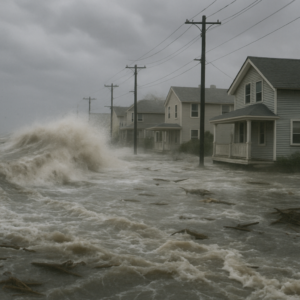
Given Jacksonville’s location in a hurricane-prone region, hurricane and storm damage claims are common. If your bumper was damaged during a severe weather event while your vehicle was parked at home, your homeowners policy might provide coverage.
Calculating the Cost-Benefit of Filing a Claim
Before filing any insurance claim for bumper damage, you need to weigh the repair costs against potential premium increases and deductibles. This calculation determines whether filing makes financial sense.
Consider your deductible: If your bumper repair costs $800 and your deductible is $1,000, filing a claim provides no benefit. You’ll pay the entire repair cost out of pocket anyway.
Assess the damage severity: Minor scratches or dents that cost $500–$1,000 to repair often aren’t worth claiming. However, significant structural damage costing $3,000 or more typically justifies filing.
Account for premium increases: Filing a claim can raise your premiums by 20–40% for three to five years. Calculate whether the claim payout exceeds what you’ll pay in increased premiums over time.
Review your claims history: Multiple claims within a short period can lead to policy non-renewal. If you’ve filed recent claims, carefully consider whether adding another is worth the risk.
Understanding Different Types of Bumper Damage
The nature and cause of bumper damage significantly affect whether you should file a claim and which insurance policy covers it.
Storm-related damage: If a storm damaged your bumper along with other parts of your property, filing a comprehensive homeowners claim makes sense. Include all damage in one claim rather than splitting it across multiple smaller claims.
Hail damage: Jacksonville occasionally experiences hail storms. If hail damaged both your vehicle and your home’s roof, you might file under homeowners insurance. Learn more about hail damage claims and how they work.
Collision damage: Bumper damage from traffic accidents typically falls under auto insurance, not homeowners coverage. This type of damage requires a separate analysis of your auto policy.
Fire damage: If a house fire spread to your vehicle, this falls under your homeowners policy. Fire damage claims often involve multiple damaged items, making them more valuable to file.
When Not to File a Claim for Bumper Damage
Sometimes paying for repairs yourself is the smarter financial decision. Avoid filing a claim when:
- The repair cost is less than or close to your deductible
- The damage is purely cosmetic and doesn’t affect safety or function
- You’ve recently filed other claims and risk policy non-renewal
- The long-term premium increase will exceed the claim payout
- You can negotiate a lower repair cost by paying cash
- The damage occurred due to your negligence or normal wear
For minor bumper scratches or dents costing under $1,500 to repair, paying out of pocket often makes more sense than filing a claim that could raise your premiums for years.
How to Properly Document Bumper Damage
Whether you decide to file a claim or not, proper documentation protects your interests. If you later discover additional damage or change your mind about filing, good records support your case.
Take comprehensive photos from multiple angles showing:
- Close-ups of all damage
- Wide shots showing the vehicle’s location
- The damage source if visible (fallen tree, hail dents, etc.)
- Any related property damage
Also document:
- The date and time damage occurred
- Weather conditions if storm-related
- Any witnesses to the incident
- Written repair estimates from licensed body shops
The Claims Process for Vehicle Damage Under Homeowners Insurance
If you decide to file a homeowners insurance claim for vehicle bumper damage, understanding the process helps ensure smooth handling.
Report the claim promptly: Contact your insurance company as soon as possible after discovering damage. Delays can complicate claims or lead to denials.
Provide thorough documentation: Submit all photos, videos, repair estimates, and incident details. Complete documentation speeds up the claims process.
Work with the adjuster: The insurance company will send an adjuster to assess the damage. Be present during this inspection to answer questions and point out all damage.
Consider hiring a public adjuster: If your claim involves significant damage beyond just the bumper, a public adjuster can negotiate for maximum compensation. This is especially valuable for complex storm damage claims.
Understanding Coverage Limits and Exclusions
Review your homeowners policy to understand exactly what’s covered regarding vehicle damage. Common limitations include:
- Coverage may be limited to vehicles parked on your property
- Some policies exclude certain types of weather damage
- Maximum payout limits may apply to personal property including vehicles
- Pre-existing damage or deferred maintenance typically isn’t covered
If you’re unsure about your coverage, consult with an insurance professional before filing. Understanding your policy prevents wasted time on claims that won’t be approved.
How Public Adjusters Help with Complex Claims
When bumper damage is part of a larger property damage claim, working with a public adjuster can significantly increase your settlement. This is especially true for Jacksonville homeowners dealing with hurricane or severe storm damage.
Public adjusters provide:
- Expert damage assessment identifying all covered losses
- Detailed documentation supporting maximum claim value
- Policy analysis ensuring all applicable coverage is used
- Professional negotiation with insurance companies
- Handling of all paperwork and communications
At C2C Adjuster, we’ve helped countless Jacksonville homeowners navigate complex property damage claims. We understand how to document vehicle damage as part of comprehensive storm claims, ensuring you receive full compensation for all losses.
Related Damage to Include in Your Claim
If you’re filing a homeowners claim that includes bumper damage, make sure you don’t overlook related losses:
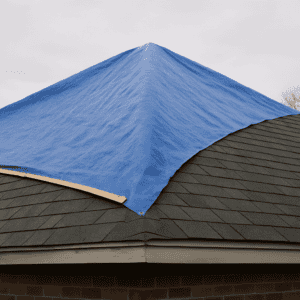
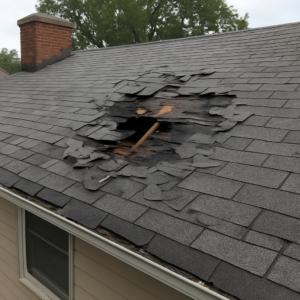
- Roof damage from the same storm that damaged your vehicle
- Fence or gate damage from fallen debris
- Siding, windows, or doors affected by the same event
- Landscape damage from the storm
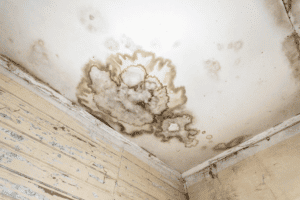
- Water damage if the storm caused leaks
Filing one comprehensive claim for all storm damage is more efficient than multiple smaller claims and better protects your insurance history.
Making the Right Decision for Your Situation
Deciding whether to file an insurance claim for bumper damage requires careful analysis of your specific situation. Consider the total cost of repairs, your deductible, potential premium increases, your claims history, and whether the damage is part of a larger loss.
For minor cosmetic damage under $1,500, paying out of pocket usually makes more financial sense. However, if your bumper damage occurred during a storm that also damaged your home, filing a comprehensive claim allows you to recover all losses while minimizing the impact on your insurance rates.
When in doubt, consult with insurance professionals who can review your policy, assess the damage, and provide guidance on the best course of action. Don’t rush into filing a claim without fully understanding the short-term and long-term financial implications.
Get Expert Guidance on Your Claim Decision
If you’re unsure whether to file a claim for bumper damage or other property losses, C2C Adjuster can help. We provide free consultations to Jacksonville homeowners, reviewing your damage, policy coverage, and financial situation to recommend the best approach.
Our public adjusters work exclusively for policyholders, never insurance companies. We’ll help you understand your options, document your damage properly, and if filing makes sense, negotiate the maximum settlement you deserve. Contact us today to discuss your situation and get expert advice on protecting your financial interests.