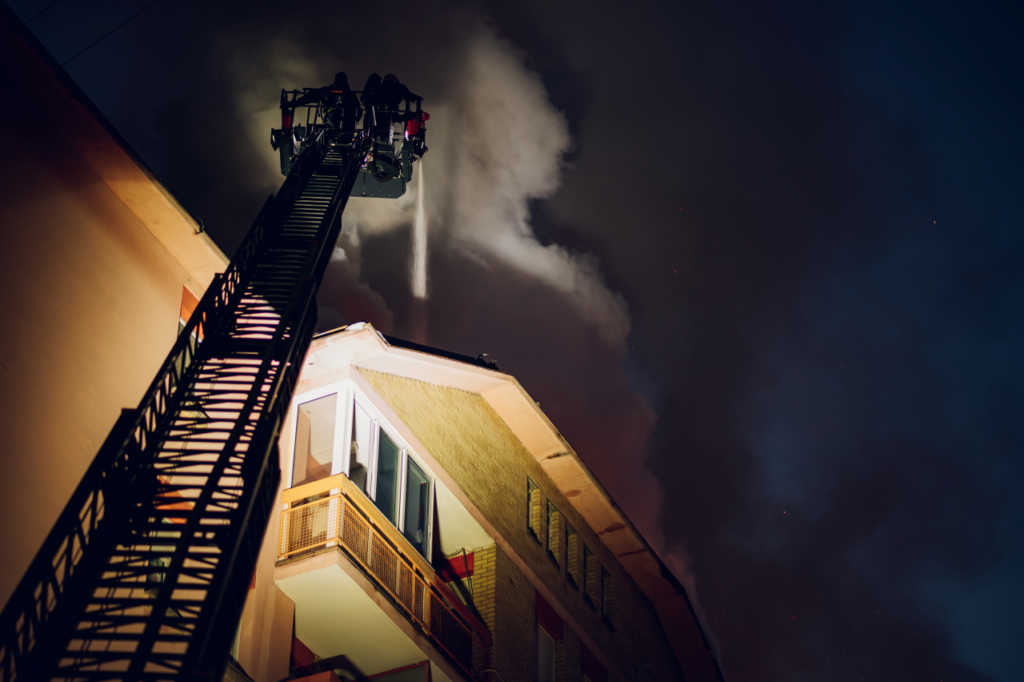
Fire can cause significant destruction. After such an event, documenting the damage is crucial for Florida property owners who need insurance compensation. This guide will help you understand how to properly document your losses and manage the fire damage claims FL process.
Why Proper Documentation is Essential
Before delving into the finer points of the matter, it is important to outline the reasons why having proper documentation is crucial when it comes to filing fire damage claims in the state of Florida.
Imagine that your insurance claim is akin to narrating an engaging story to someone who was not present during the unfortunate event of the fire. The clarity and level of detail in your “story,” which essentially represents your documentation, play a significant role in ensuring that the insurance company can fully grasp the events that unfolded and fully understand the extent of your losses.
Why Are Florida Fire Claims Unique?
Fire damage claims FL are particularly unique, and this uniqueness can be attributed to several specific factors inherent to the state. The distinctive conditions of Florida’s climate, the prevailing building standards, and the intricacies of insurance regulations all contribute to how claims are processed in the state.
For instance, Florida’s high levels of humidity may exacerbate damage caused by fires, leading to additional issues such as mold growth that should be accounted for in your claim. It is essential to navigate these complexities effectively to ensure a thorough and accurate claim submission.
Immediate Actions After a Fire
Once the fire has been contained and you’re able to return to your property, it’s crucial to begin taking steps to address the situation. How you handle things right after a fire can greatly impact your fire damage claims FL. Here are the immediate actions you should take:
Step 1: Assess the Situation
Ensure the property is safe to enter before thinking about anything else. Wait for approval from fire officials and be aware of potential dangers like structural damage, electrical issues, and air quality concerns. Your health and safety are the top priority; no documentation is worth compromising your well-being.
Step 2: Inform Your Insurance Provider
One of your initial calls should be to your insurer. They will help you navigate the first steps and might send a team to prevent further damage. This is also when to inquire about emergency funds for lodging or immediate necessities.
Step 3: Take Action to Prevent More Damage
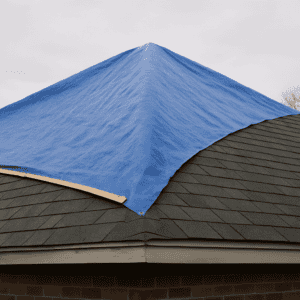
While awaiting the insurance adjuster, work to minimize further harm. Actions such as boarding up windows, covering holes in the roof, or removing water can be beneficial. Document these measures as they demonstrate you’re taking reasonable actions to reduce losses, which is often required by insurance policies.
By following these steps, you can effectively manage your fire damage claims in FL and ensure that you are taking the necessary precautions to protect your property and your interests.
Compiling a Comprehensive Damage Inventory
The next step in the process requires you to take the time to thoroughly document the extent of the fire damage that has occurred. This documentation is not just a mere formality; it is a critical component for successfully filing fire damage claims in Florida. It requires your careful attention to detail, as thoroughness is key in creating an accurate record that you will rely on as you navigate through the claims process.
Documentation by Room
To effectively document the damage in your home, it is advisable to develop a logical and systematic plan that allows you to address each room individually. Begin by selecting one specific spot in your home as your starting point, and then proceed methodically from that location.
This organized approach is beneficial because it ensures that you do not overlook any important details throughout your documentation process. As a result, you will be able to create a clear and comprehensive report that you can present to your insurance company, making it easier for them to assess your claim.
Taking Photos and Videos of the Damage
As the well-known saying goes, “a picture is worth a thousand words,” and when it comes to documenting the fire damage that has affected your property, this sentiment is especially applicable. Therefore, it is important that you take an ample number of photos and videos that capture all affected areas.
Here are some suggestions to keep in mind while you document the damage:
- Consider capturing wide-angle shots of entire rooms to provide context.
- Take detailed close-up images of specific items that have sustained damage.
- Make sure to document serial numbers on your electronics and appliances, as this information can be crucial.
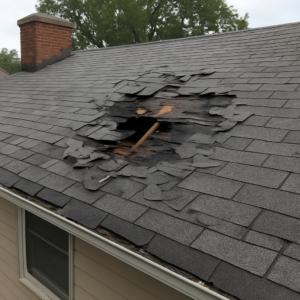
- Additionally, include images that showcase any structural issues you may observe, such as cracked walls, warped floors, or other significant damage.
Keep in mind that when it comes to documenting fire damage, it is almost impossible to have too many photos or video clips. The more visual evidence you have, the stronger your claim will be.
Drafting a Written Inventory
In addition to capturing visual records through photographs and videos, it is also important to create a comprehensive written inventory of the items that were damaged in the fire. This written record should consist of the following essential components:
- A detailed list of all damaged items, which provides a clear overview of losses.
- Descriptions for each item that clarify their nature and condition before the incident.
- Approximate purchase dates that indicate when the items were acquired.
- An estimated value for each item, which will aid in assessing the total amount of your losses.
If you have any receipts or proof of purchase for these items, it is beneficial to include those documents as well, if they are available. Having a thorough written inventory to complement your visual evidence will help strengthen your case and support your claim during the assessment process.
Collaborating with Insurance Adjusters
After completing your initial documentation, you’ll need to closely collaborate with insurance adjusters. Knowing how this process works is essential for successful fire damage claims in Florida.
What Does an Insurance Adjuster Do?
An insurance adjuster’s role is to evaluate the damage and decide on the payout based on your policy. Keep in mind, they represent the insurance company, not you. Though most adjusters are reasonable and professional, it’s crucial to advocate for yourself, ensuring every bit of damage is well documented and assessed.
Getting Ready for the Adjuster’s Visit
Before the adjuster comes:
- Go over your inventory and documentation
- Make a list of questions
- Be prepared to highlight all damaged areas
- Think about having a contractor there to provide repair estimates
What to Do If You Disagree with the Adjuster
If you don’t agree with the adjuster’s evaluation, don’t hesitate to express your concerns. You can:
- Present more documentation
- Obtain independent repair estimates
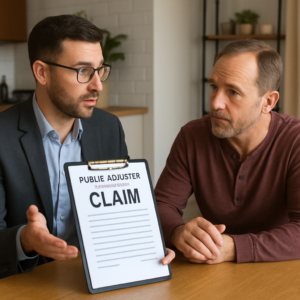
- Think about hiring a public adjuster (more on this later)
Remember, the aim is to secure a just settlement that enables you to adequately repair and replace everything lost in the fire.
Documenting Additional Living Expenses
When your home is damaged by fire and becomes unlivable, your insurance probably covers Additional Living Expenses (ALE). It’s important to keep records of these expenses for compensation.
What Counts as Additional Living Expenses?
ALE might cover:
- Hotel or rental housing costs
- Extra food costs (if you can’t cook at home)
- Laundry fees
- Boarding for pets
- Temporary storage for items that are undamaged
Maintaining Clear Records of Expenses
For every expense you incur:
- Keep all receipts handy
- Record the date and reason for the expense
Compare these to your usual expenses since you’ll be reimbursed for the extra amount spent.
Long-Term Aspects of Fire Damage Documentation
Fire damage documentation isn’t only about the immediate effects. Remember the long-term aspects for your fire damage claims in Florida.
Recording Ongoing Issues
Certain fire damage problems might not show up right away. Keep recording:
- Persistent smoke smells
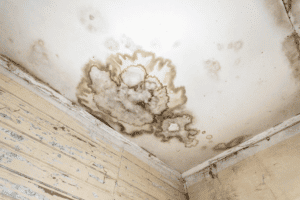
- Delayed water damage
- Corrosion or rust on metal parts
- Continued health issues due to the fire
Maintaining Records of All Claim-Related Interactions
Throughout the claims process:
- Record all phone calls with the insurance company
- Save every email and letter
- Note down the name and contact details of all individuals you speak with
This documentation can be extremely helpful if any disputes occur later.
Guidelines for Efficient Documentation
Let’s conclude with some general advice to make your documentation as effective as possible for Florida fire damage claims.
Structuring Your Documentation
- Have a specific folder or binder for all documents related to your claim
- Think about using a spreadsheet to keep track of expenses and items that are damaged
- Store digital photos and videos in multiple places for backup
Being Detailed and Clear
- Provide as much detail as you can in your descriptions
- Use precise language instead of vague terms
- Document even small or seemingly unimportant details
Maintaining Persistence and Patience
The claims process can be lengthy and sometimes frustrating. Stay dedicated in your documentation efforts and patient throughout the process. Keep in mind, thorough documentation is your most effective tool for achieving a fair settlement.
Conclusion
Handling the effects of a fire is tough, but having proper documentation can simplify and enhance the outcome of your insurance claim process. By sticking to these steps, you’re preparing yourself to effectively manage fire damage claims in Florida.
Keep in mind that documentation is your narrative in the claims process. It communicates your loss and supports your right to appropriate compensation. While it may seem daunting, tackle it progressively, and don’t hesitate to ask for professional help if you need it.
We hope this guide helps you feel equipped to tackle the documentation for your Florida fire damage claim. Stay determined, stay organized, and remember that proper documentation is a key step towards recovery and rebuilding.
If you’re finding it hard to navigate your fire damage claim or need professional help with documenting your losses, Coast2Coast Public Adjusters is here to assist. Our experienced team can lead you through the claims process, ensuring you have the best opportunity for a fair settlement. Contact us at (407) 516-7277 or email jmc2cpa@gmail.com to arrange a consultation and begin maximizing your fire damage claim. Let us assist you in turning your documentation into the compensation you deserve.