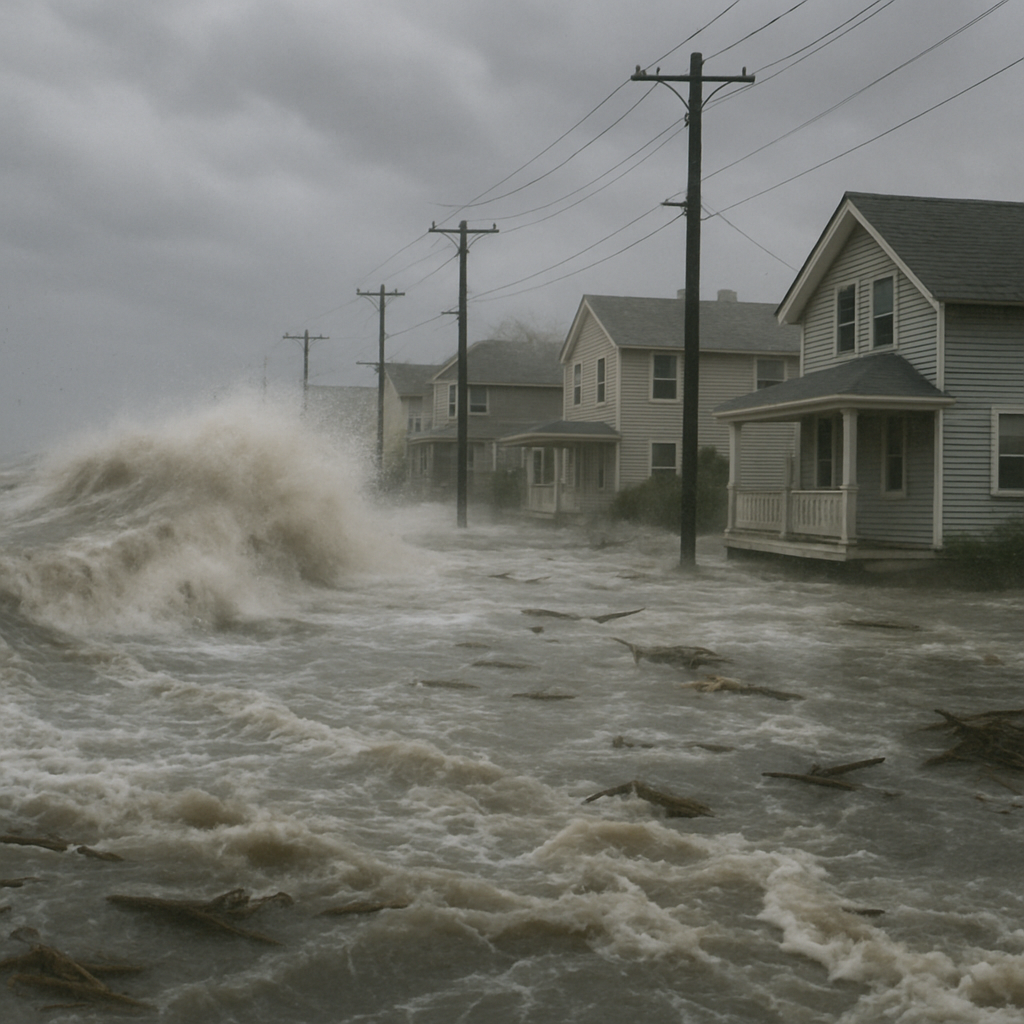
After a major storm or hurricane, one of the first questions homeowners ask is is storm surge covered by home insurance? The answer is often confusing, and unfortunately, many people do not discover the truth until their claim is delayed or denied.
Storm surge causes widespread damage, especially in coastal and low-lying areas. Understanding how home insurance coverage works, where it stops, and what role flood-related policies play can help you avoid costly surprises and make better decisions when filing a claim.
This guide explains storm surge coverage in simple terms, outlines common insurance gaps, and clarifies what options homeowners have after storm-related flooding.
What Is Storm Surge?
Storm surge is the abnormal rise of water caused by a storm, typically driven by strong winds pushing seawater or large bodies of water inland. It is one of the most destructive forces during hurricanes and tropical storms.
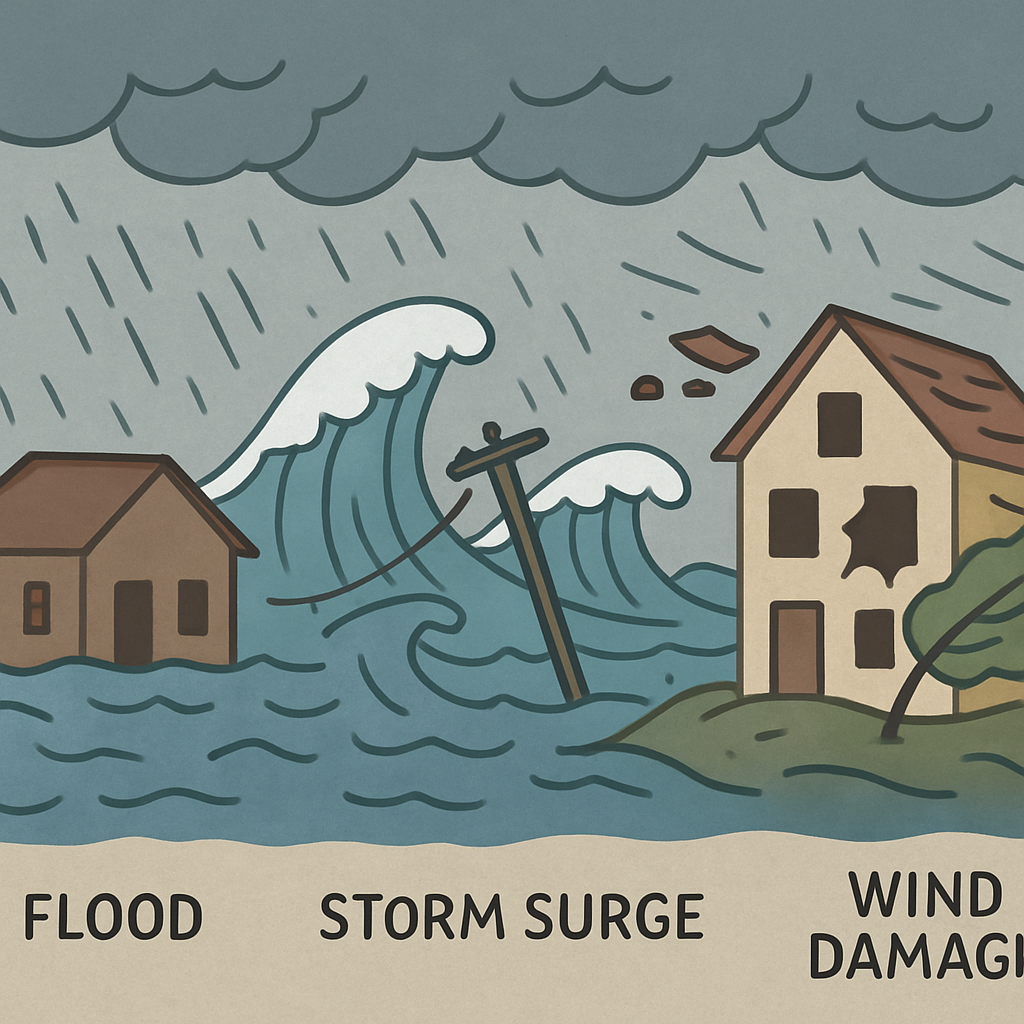
Although storm surge is caused by a storm, insurance companies usually classify the damage as flooding, not wind or rain damage. This distinction is critical when it comes to home insurance coverage.
Is Storm Surge Covered by Home Insurance?
The short answer is no, storm surge is usually not covered by standard home insurance.
Most homeowners insurance policies exclude flood-related damage. Because storm surge involves water rising from the ground up, insurers almost always treat it as flood damage rather than storm damage.
This means that even if the storm caused the surge, your home insurance policy typically will not pay for repairs unless you have separate storm surge insurance through a flood-related policy.
Why Homeowners Insurance Does Not Cover Storm Surge
Home insurance policies are designed to cover specific risks, such as wind damage, fire, or sudden plumbing leaks. Flooding is considered a separate and higher-risk event.
From an insurance standpoint:
- Water entering from below ground level is classified as flooding
- Flooding is excluded from standard home insurance coverage
- Storm surge falls under flood definitions, not wind damage
This is why insurers often deny storm surge claims, even when wind and rain were part of the same event.
The Role of Flood Insurance in Storm Surge Damage
To protect against storm surge, homeowners typically need flood risk insurance, often referred to as flood insurance.
Flood insurance is specifically designed to cover damage caused by rising water, including:
- Storm surge
- Coastal flooding
- Overflow from lakes or rivers
- Heavy rain accumulation
Without flood insurance, storm surge damage is almost always excluded from home insurance coverage.
Flood Insurance Options for Homeowners
Homeowners have several flood insurance options, depending on their location and risk level.
National Flood Insurance Program (NFIP)
The most common option is flood insurance through the National Flood Insurance Program. NFIP policies cover structural damage and limited contents damage caused by flooding, including storm surge.
However, NFIP policies have coverage limits and strict documentation requirements.
Private Flood Insurance
Some homeowners choose private flood insurance, which may offer:
- Higher coverage limits
- Additional coverage options
- Shorter waiting periods
Private policies can sometimes provide broader storm surge insurance, but coverage details vary widely and must be reviewed carefully.
Why Storm Surge Claims Are Often Disputed
Storm surge claims frequently become complicated because multiple types of damage occur at the same time. Wind, rain, and flooding can all affect a property during a single storm.
Insurance companies may argue that:
- Damage was caused by flood, not wind
- Flooding occurred before structural damage
- Certain losses fall outside policy definitions
These disputes often lead to delayed or underpaid claims, even when the homeowner believes their home insurance coverage should apply.
Wind Damage vs Storm Surge: Why the Difference Matters
Wind damage is usually covered by homeowners insurance, while storm surge damage is not. The challenge arises when both happen together.
For example:
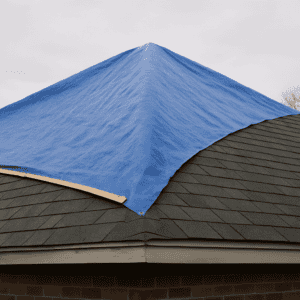
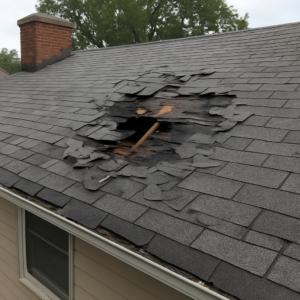
- Wind tears off part of the roof
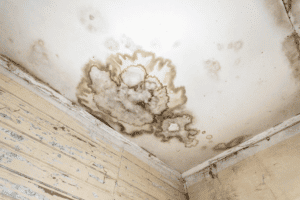
- Rain enters through the damaged roof
- Storm surge later floods the home
Insurance companies may try to separate covered wind damage from excluded flood damage, reducing what they pay. Proper documentation and claim handling are essential in these situations.
What to Do If Your Storm Surge Claim Is Denied
If your insurance claim is denied or underpaid due to storm surge classification, it does not always mean the decision is final.
Steps that may help include:
- Reviewing your policy language carefully
- Confirming the official cause of damage used by the insurer
- Documenting the sequence of events during the storm
- Identifying covered wind-related losses
Professional claim review can help clarify whether parts of your loss fall under covered home insurance coverage, even when flooding is involved.
Do You Need Flood Insurance If You Are Not in a Flood Zone?
Many homeowners assume flood insurance is only necessary in high-risk areas. In reality, storm surge and flooding can affect properties outside designated flood zones.
Flooding caused by hurricanes, heavy rain, or overwhelmed drainage systems can occur almost anywhere. Having flood risk insurance provides financial protection that home insurance alone cannot offer.
Common Misunderstandings About Storm Surge Insurance
Homeowners often believe:
- Storm-related flooding is covered by home insurance
- Wind-driven water is always covered
- Federal disaster declarations guarantee insurance payouts
Unfortunately, these assumptions often lead to denied claims. Understanding how storm surge insurance works before disaster strikes is the best way to avoid coverage gaps.
Is Storm Surge Covered by Home Insurance?
In most cases, the answer is no. Standard homeowners insurance does not cover storm surge damage because it is classified as flooding. Protecting your property from storm surge typically requires separate flood insurance options designed to address rising water.
If you are unsure how your damage was classified or whether your policy was applied correctly, a professional claim review can help you understand your rights and options.
Get Help Understanding Your Storm Damage Claim
If you are dealing with storm-related damage and are unsure how your home insurance coverage applies, C2C Adjuster helps homeowners across Florida understand complex storm surge and flood-related claims. Their team reviews policy language, explains coverage decisions, and helps determine whether additional compensation may be available when storm surge or flooding is involved.To speak with a licensed public adjuster, call (407) 516-7277 or email info@ccauaa.com. A no-obligation claim review can give you clarity on your options and help you avoid unnecessary delays or denied coverage.