You may have up to a year to file, but waiting too long can weaken your claim and reduce your chances of getting paid.
When it comes to filing a home insurance claim for roof damage, timing is one of the most important factors. Many homeowners assume they have plenty of time, but delays can lead to denied claims, lower payouts, or unnecessary disputes.
This guide will walk you through the home insurance claim timeline, explain how the insurance claim process works, and help you avoid mistakes that could cost you money.
Why Timing Matters More Than You Think
After roof damage, it is common to wait, especially if the issue does not seem urgent. But insurance companies expect homeowners to act quickly.
If you delay, the insurer may argue:
- The damage got worse over time
- The issue was not serious
- It could have been prevented
Even if your damage is valid, waiting too long can make your claim harder to prove.
Understanding the Home Insurance Claim Timeline
Every policy is slightly different, but most follow a similar home insurance claim timeline.
Knowing these stages can help you stay on track and avoid delays.
Step 1: Immediate Action (Day 1–3)
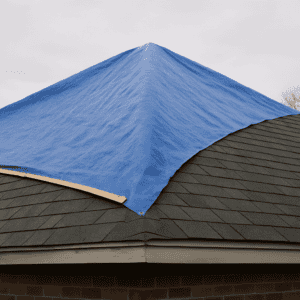
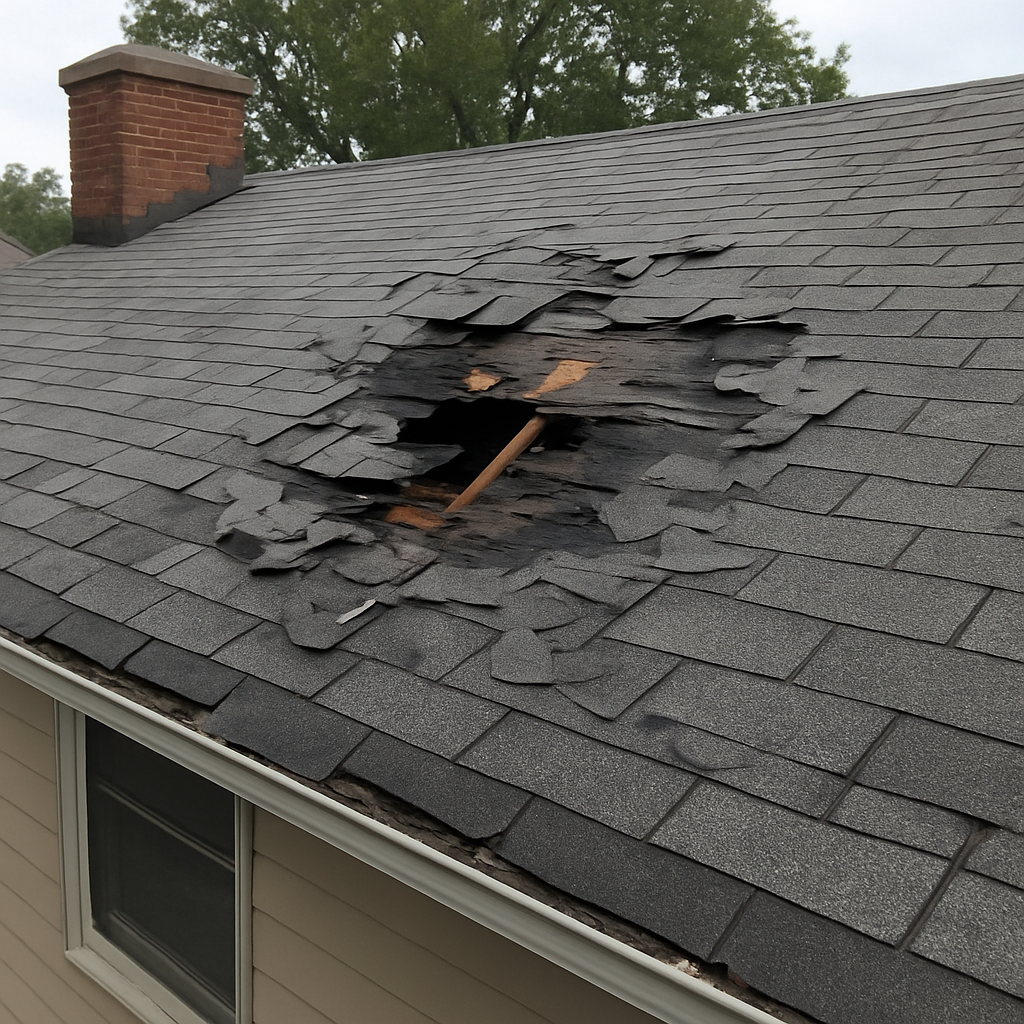
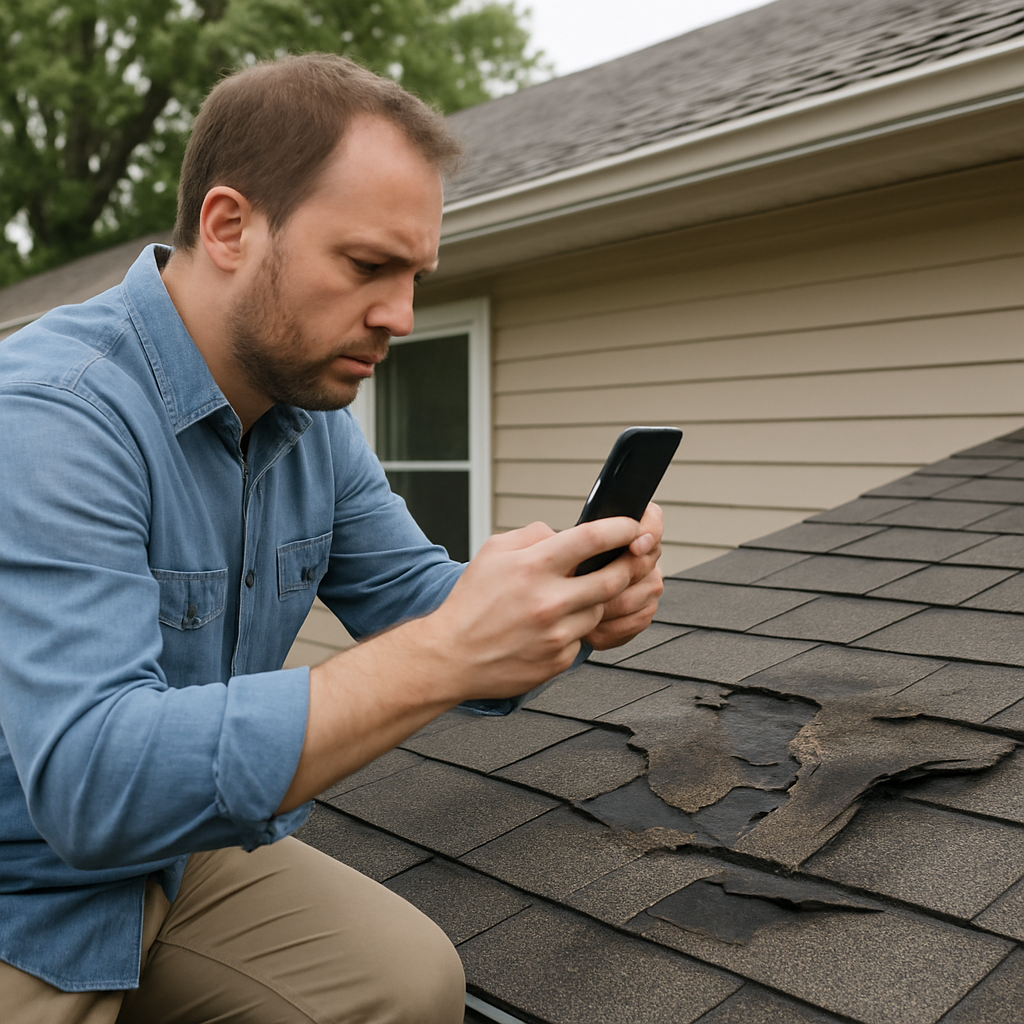
As soon as you notice roof damage, act quickly. Inspect the area safely, take clear photos and videos, and prevent further damage with temporary fixes like tarping if needed. Early documentation is one of the strongest parts of any claim.
Step 2: Filing Your Claim (Within Days to Weeks)
Start filing your claim as soon as possible. Most policies allow several months to report damage, and some allow up to one year. However, it is best to file within days or weeks, not months. Starting early makes the insurance claim process smoother and reduces pushback.
Step 3: Insurance Inspection (1–2 Weeks After Filing)
After you submit your claim, an insurance adjuster will inspect your roof. They will assess the damage and create an estimate. This step plays a major role in how much you receive.
Step 4: Claim Review (2–6 Weeks)
The insurance company will review the inspection results, your policy coverage, and supporting documents. At this stage, they may approve the claim, partially approve it, or deny it.
Step 5: Payment or Dispute
If your claim is approved, you will receive a payout based on the estimate. If there are issues, you may need to request a second review or challenge the decision.
How Long Do You Actually Have to File?
Many homeowners ask how long they really have to file a claim. In most cases, you have up to 12 months, and some policies allow additional time for updates or supplemental claims.
However, the longer you wait, the harder it becomes to prove your claim. Insurance companies may question when the damage occurred, whether it worsened over time, and if proper maintenance was done.
Filing After Storm Damage
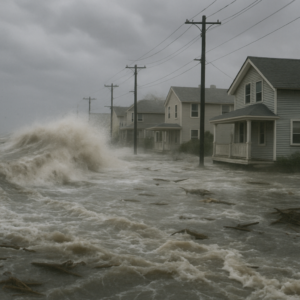
Storms are one of the most common causes of roof damage. If your roof was affected by:
- Strong winds
- Hail
- Falling debris
You may have a valid claim. However, timing still matters. After a storm:
- Damage is easier to connect to a specific event
- Evidence is stronger
- Claims are more straightforward
Waiting too long can weaken that connection and lead to complications.
What Happens If You Delay Filing?
Delays can affect your claim in several ways.
Loss of Clear Evidence
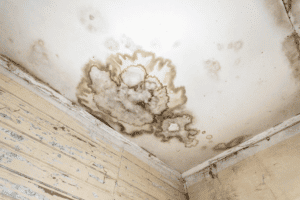
Roof damage can change over time. What started as minor damage may become worse, making it harder to prove the original cause.
Increased Insurance Pushback
The insurer may claim:
- The damage is old
- It is due to normal wear
- It was not caused by a covered event
Lower Payouts
Even if approved, delayed claims can result in:
- Smaller estimates
- Limited coverage
- Missed repair costs
Common Mistakes That Hurt Your Claim
Following a proper insurance claim guide can help you avoid common issues.
Here are mistakes to watch out for:
- Waiting too long to report damage
- Failing to document the damage early
- Completing permanent repairs before inspection
- Assuming all roof damage is covered
- Accepting the first offer without review
Avoiding these mistakes can improve both your approval chances and your payout.
How to Keep the Insurance Claim Process Smooth
To move through the insurance claim process more efficiently:
- Act quickly – Report damage as soon as possible.
- Document everything – Take photos, videos, and detailed notes.
- Keep records – Save receipts and all communication with your insurer.
- Be responsive – Schedule inspections quickly and follow up when needed.
- Review estimates carefully – Make sure all damage is included before accepting payment.
Why Many Roof Claims Are Underpaid
Even approved claims can fall short of what homeowners expect. This often happens because not all damage is included in the estimate, hidden issues are missed, repair costs are underestimated, or the scope of work is limited.
Understanding the home insurance claim timeline and reviewing each step carefully can help you catch these gaps early and avoid receiving less than you should.
When to Get Help With Your Claim
If your claim is denied, delayed, or underpaid, it may be time to bring in professional help. A public adjuster can review your policy, reassess the damage, ensure nothing is overlooked, and negotiate for a better outcome.
This is especially helpful for larger or more complex roof damage claims.
Real Example: Timing Changes Everything
Two homeowners experience the same storm damage.
- One files within a week → claim approved quickly
- One waits several months → claim questioned and delayed
The difference is not the damage. It is the timing and documentation. That is why following a clear insurance claim guide is essential.
Final Thoughts
So, how long do you have to file? You may have up to a year, but waiting that long is risky. When it comes to roof damage claims, the best approach is to act quickly, document everything, and understand your coverage.
This approach can help you avoid delays, reduce stress, and improve your chances of receiving a fair payout.
Need Help With Your Roof Damage Claim?
If your claim was denied, delayed, or underpaid, you do not have to handle it alone. Coast2Coast Adjuster helps homeowners navigate the insurance claim process, reassess damage and estimates, and maximize insurance payouts.Visit Coast2Coast Adjuster or contact their team directly at (407) 516-7277 or info@ccauaa.com to get expert support on your claim.