North Carolina homeowners face diverse weather challenges that can damage roofs throughout the year. From powerful Atlantic hurricanes and tropical storms to severe thunderstorms producing damaging hail and high winds, your roof takes a beating from multiple weather threats. When roof damage occurs, understanding what your insurance policy covers and how to navigate the claims process becomes essential. Whether you are dealing with home roof damage insurance claims in North Carolina after a hurricane or fighting for fair compensation following a hailstorm, knowing your coverage rights protects your home and your finances.
Understanding Your North Carolina Homeowners Insurance Policy
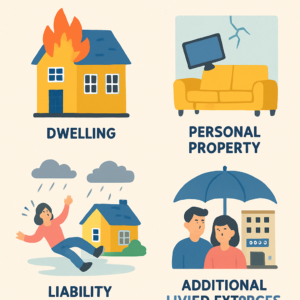
Most standard homeowners insurance policies in North Carolina cover sudden and accidental damage to your roof from wind, hail, hurricanes, falling trees, and other covered perils. However, coverage limits, deductibles, and specific policy language can significantly affect your claim payout. Understanding these details before filing a North Carolina roof claim helps you set realistic expectations and identify potential coverage gaps.
Key policy features to review include whether you have replacement cost coverage (pays current prices without depreciation) or actual cash value coverage (factors in your roof’s age). Also check your deductible structure—North Carolina allows separate percentage deductibles for hurricane damage, often ranging from 2% to 5% of your dwelling coverage amount. For a $300,000 home, a 5% hurricane deductible equals $15,000 you must pay out-of-pocket before insurance coverage begins.
Wind Damage Coverage: What Qualifies
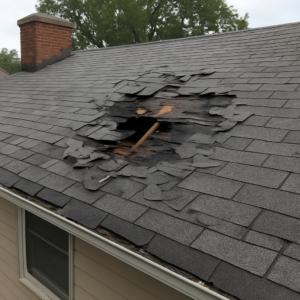
Wind damage to roofs includes missing or lifted shingles, damaged flashing around chimneys and vents, torn underlayment, and structural damage to roof decking. Even without immediate leaks, wind can compromise your roof’s integrity and lead to problems during future storms. When filing home roof damage insurance claims in North Carolina for wind damage, documentation is crucial—photograph all visible damage and save weather reports showing wind speeds on the damage date.
Insurance adjusters sometimes argue that wind damage is cosmetic or resulted from poor installation rather than weather events. A professional North Carolina roofing contractor can provide expert opinions on whether damage patterns are consistent with wind events, helping counter insurer arguments about causation.
Hail Damage: Hidden Problems and Coverage Issues
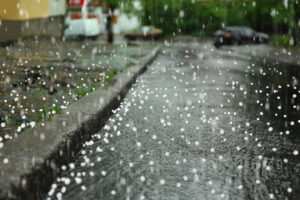
Hail damage presents unique challenges because the harm isn’t always immediately visible. While large hail can crack or puncture shingles, smaller hailstones create bruising that compromises the protective granule layer without obvious breaks. After a hailstorm, inspect your roof for missing granules in circular patterns, dented or cracked shingles, damaged ridge caps, and dark bruising spots on asphalt shingles.
When filing a North Carolina roof claim for hail damage, timing matters. Insurance companies often challenge claims filed months after a hail event, but hail damage can be subtle and homeowners may not recognize problems until leaks develop. One common dispute involves whether hail damage is functional or cosmetic—insurers may offer spot repairs rather than full roof replacement, even when hail has compromised the granule layer across a significant portion of your roof.
Hurricane Damage: Comprehensive Coverage Expectations
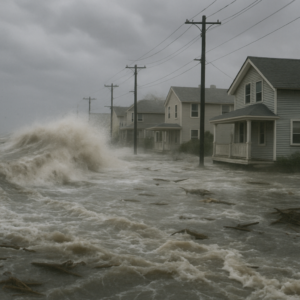
Hurricanes bring multiple damaging forces: high winds, wind-driven rain, falling trees and debris, and sometimes tornadoes. Hurricane roof damage often includes extensive shingle loss, damaged ridge vents, compromised flashing, structural damage to roof decking and trusses, and water intrusion into attic spaces. Because hurricanes affect large areas simultaneously, insurance companies may deploy temporary adjusters who lack local knowledge, resulting in rushed inspections and lowball settlement offers.
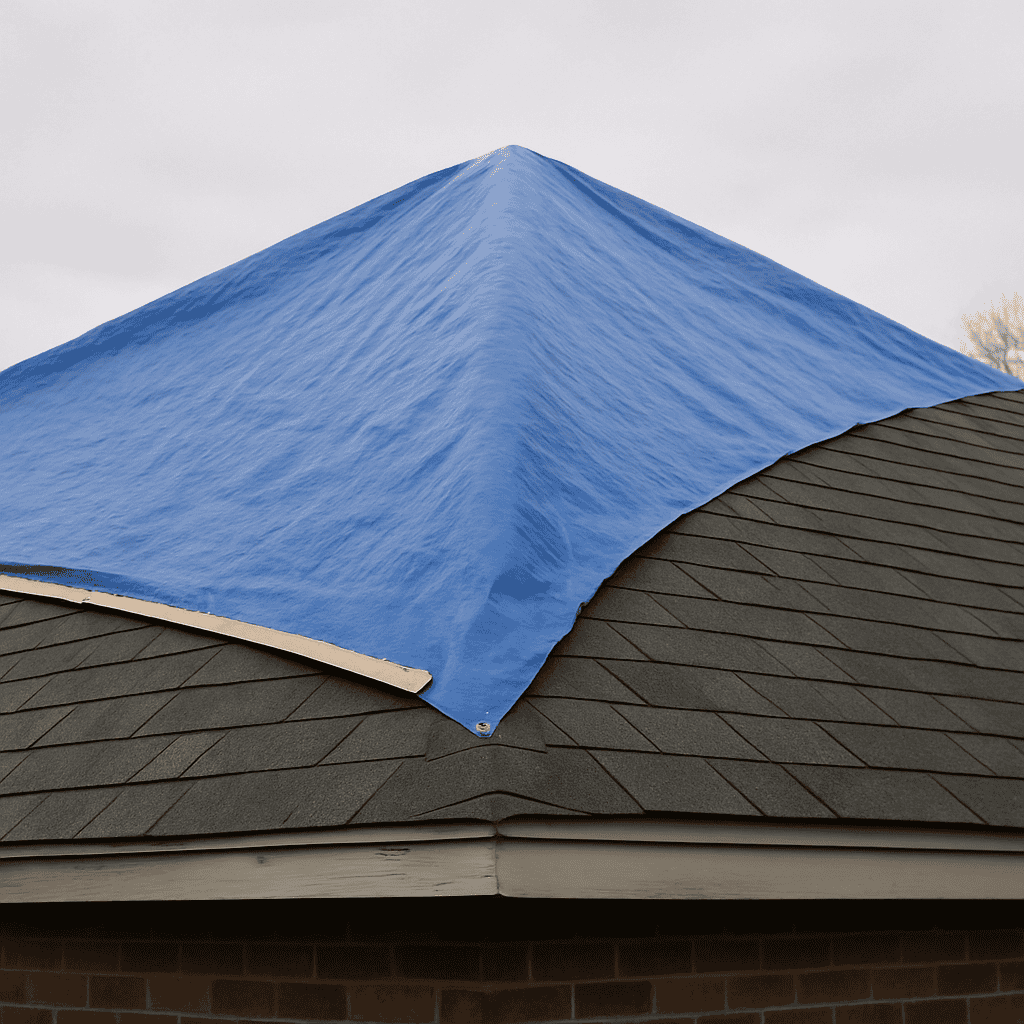
For home roof damage insurance claims North Carolina residents file after hurricanes, complete documentation is essential. Photograph and video all damage before making temporary repairs, but implement emergency measures like tarping to prevent additional water intrusion. Save all receipts for emergency repairs, as these costs may be reimbursable. Wind-driven rain creates special coverage considerations—if wind first damages your roof by lifting shingles or breaking flashing, the resulting water damage should be covered.
Common Insurance Company Tactics That Reduce Payouts
Underestimating Damage Scope
Insurance adjusters often focus only on obviously damaged areas while ignoring hidden problems. They may approve repairs for a small section of missing shingles without assessing whether hail or wind damaged a much larger area. Getting an independent inspection from a licensed North Carolina roofing contractor provides a complete damage assessment that can challenge the adjuster’s limited scope.
Claiming Damage Is Pre-Existing
Insurers frequently argue that roof damage existed before the claimed weather event and therefore is not covered. They may point to normal wear patterns or previous minor damage as proof. However, North Carolina building codes and roofing standards account for normal aging. If your roof met code requirements and performed adequately before a storm, sudden damage from that storm should be covered regardless of the roof’s age.
Depreciation Disputes
Even with replacement cost coverage, insurance companies typically pay claims in two parts. The initial payment reflects actual cash value, which deducts depreciation. After you complete repairs and submit proof of payment, the insurer releases the depreciation holdback. However, insurers sometimes overestimate depreciation or create obstacles to releasing the held funds. Understanding your policy’s claims payment process and following up persistently ensures you receive the full replacement cost you are entitled to.
Refusing to Cover Full Replacement
When roofing materials or colors are discontinued, matching your existing roof may be impossible. Most policies include code upgrade coverage and provisions for matching undamaged sections. If your North Carolina roof claim requires replacing the entire roof to maintain a uniform appearance or meet current building codes, your policy should cover these costs. Insurance companies may initially resist, but proper documentation and policy interpretation often lead to full coverage.
The Importance of Professional Roofing Inspections
Licensed roofing contractors bring expertise that homeowners and insurance adjusters often lack. A professional inspection identifies all damage, including subtle issues that might not appear problematic immediately but will cause failures over time. The contractor’s written report and photographic documentation become powerful evidence supporting your claim.
When selecting a roofing contractor for inspection and repairs, verify they hold current North Carolina licenses and maintain adequate insurance. Check references and reviews, and obtain detailed written estimates that break down all necessary repairs. Reputable contractors understand insurance claim procedures and can provide documentation that meets insurer requirements while protecting your interests.
Be cautious of storm chasers who appear after major weather events offering free inspections and promising to handle your entire claim. While some are legitimate contractors, others engage in questionable practices like inflating damage estimates or performing substandard repairs. Work with established local North Carolina roofing companies that have long-term reputations and will stand behind their work.
When Your Claim Is Denied or Underpaid
Not all roof damage claims proceed smoothly. Insurance companies deny claims for various reasons, some legitimate and others questionable. Common denial reasons include claims that damage resulted from wear and tear rather than a covered event, assertions that damage is cosmetic only, arguments that the roof was improperly maintained, or contentions that damage occurred outside the policy period.
If your home roof damage insurance claims North Carolina submission is denied or you receive a settlement offer that seems inadequate, you have options. First, carefully review the denial letter or settlement explanation. Insurance companies must provide specific reasons for their decisions and cite relevant policy provisions. Understanding their rationale helps you formulate an effective response.
Next, gather additional evidence to counter the insurance company’s position. This might include additional roofing contractor opinions, engineering reports, weather service documentation, or photographs showing damage progression. A well-documented appeal that directly addresses the insurer’s stated concerns often leads to claim approval or increased settlements.
North Carolina law requires insurance companies to handle claims in good faith and provides remedies when insurers act unreasonably. If your insurer is delaying your claim unreasonably, denying coverage without proper investigation, or refusing to pay for clearly covered damage, you may have grounds for a bad faith complaint. However, navigating these disputes requires expertise in insurance law and claims handling.
How Public Adjusters Help Maximize Your Roof Claim
Public adjusters are licensed professionals who represent policyholders exclusively, never insurance companies. They handle every aspect of your claim, from initial damage assessment and documentation through final settlement negotiations. For complex North Carolina roof claim cases involving significant damage, denied claims, or disputed coverage issues, a public adjuster’s expertise often means the difference between inadequate compensation and a fair settlement.
Public adjusters understand the tactics insurance companies use to minimize payouts. They know how to document damage thoroughly, prepare detailed repair estimates, and present claims in ways that maximize coverage under your policy’s terms. They also handle all communications and negotiations with the insurance company, relieving you of the stress and time commitment these processes require.
Most public adjusters work on a contingency fee basis, taking a percentage of your final settlement. While this represents an additional cost, their services typically more than pay for themselves through substantially higher settlement amounts. Moreover, they prevent common mistakes that can jeopardize claims, such as accepting partial payments that contain claim releases or missing important filing deadlines.
If you are struggling with a denied claim, facing pressure to accept an inadequate settlement, or simply feel overwhelmed by the claims process, professional representation can help. At Coast2Coast Adjuster, experienced public adjusters work with North Carolina homeowners to secure fair compensation for roof damage. They understand regional weather patterns, local building codes, and the specific policy language common in North Carolina insurance contracts.
Steps to Take After Roof Damage
1. Document Everything Immediately
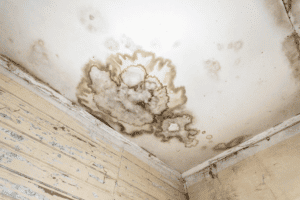
As soon as it is safe to do so after a storm, photograph and video all visible roof damage. Take wide shots showing your entire home and close-ups of specific damage areas. Document any interior water damage, fallen debris, and the general condition of your property. This initial documentation establishes the full scope of damage before any repairs or cleanup begins.
2. Make Temporary Repairs
Your insurance policy requires you to mitigate further damage. Install tarps over damaged roof areas to prevent rain intrusion. Remove loose debris that could cause additional harm. Keep detailed records of all mitigation efforts, including receipts for materials and labor. These temporary repair costs are typically reimbursable under your policy.
3. Report Your Claim Promptly
Notify your insurance company as soon as possible after discovering damage. Most policies have specific time limits for reporting claims. Provide basic information about the damage and the weather event that caused it. Keep records of all communications, including claim numbers, adjuster names, and conversation dates.
4. Get Professional Inspections
Hire a licensed North Carolina roofing contractor to inspect your roof before the insurance adjuster arrives. This independent assessment provides a baseline for comparison and ensures nothing gets overlooked. The contractor’s detailed report and photographs become important evidence supporting your claim.
5. Review Settlement Offers Carefully
Do not feel pressured to accept the first settlement offer. Compare the insurance company’s estimate with your contractor’s assessment. Look for discrepancies in damage scope, repair methods, or material costs. If the settlement seems inadequate, obtain additional professional opinions and consider hiring a public adjuster to negotiate on your behalf.
Understanding North Carolina Building Codes and Permits
Roof repairs and replacements in North Carolina must comply with state building codes and often require permits. These requirements exist to ensure structural integrity and safety. Your insurance settlement should include costs for bringing your roof up to current code standards, even if your original roof was built under older codes. This is called code upgrade coverage or ordinance and law coverage.
Many home roof damage insurance claims North Carolina disputes involve code upgrade costs. Insurance companies may try to limit coverage to replacing your roof as it existed before the damage, even if that configuration no longer meets code. However, most policies include provisions for necessary code compliance. Review your policy’s ordinance and law coverage section and ensure your claim includes these costs.
Coastal areas of North Carolina have additional requirements related to wind resistance and hurricane preparedness. Roofs in designated wind zones must meet enhanced attachment and material standards. If your damaged roof requires replacement, the new installation must meet these stricter requirements, potentially increasing costs beyond simple material replacement. Proper documentation of these code-mandated upgrades helps ensure your insurance claim covers necessary improvements.
Protect Your Rights and Your Home
Your roof is your home’s primary defense against North Carolina’s challenging weather. When storm damage occurs, you deserve full and fair compensation to restore this critical protection. Insurance companies have adjusters, estimators, and legal teams working to minimize their costs. You need equally strong representation to protect your interests.
Do not navigate the claims process alone, especially when facing denied claims or inadequate settlement offers. Understanding your policy, documenting damage thoroughly, and obtaining professional support ensures you receive the compensation your policy promises. Whether damage came from wind, hail, hurricanes, or other covered perils, your North Carolina roof claim deserves expert handling.
Get Expert Help with Your Roof Claim Today
At Coast2Coast Adjuster, licensed public adjusters understand the unique challenges North Carolina homeowners face when filing roof damage claims. From documenting storm damage and preparing comprehensive estimates to negotiating with insurance companies and challenging unfair denials, they handle every aspect of your claim with the expertise and attention it deserves.
Do not accept less than your policy provides. Whether you are just beginning the claims process or fighting a denied or underpaid claim, professional representation can significantly increase your settlement. Contact Coast2Coast Adjuster today for a free consultation about your roof damage claim.Call (407) 516-7277 or email info@ccauaa.com to speak with an experienced public adjuster who will fight for maximum compensation. You can also visit our contact page to schedule your free claim analysis. Your roof protects everything you value, and Coast2Coast Adjuster is ready to protect your claim.