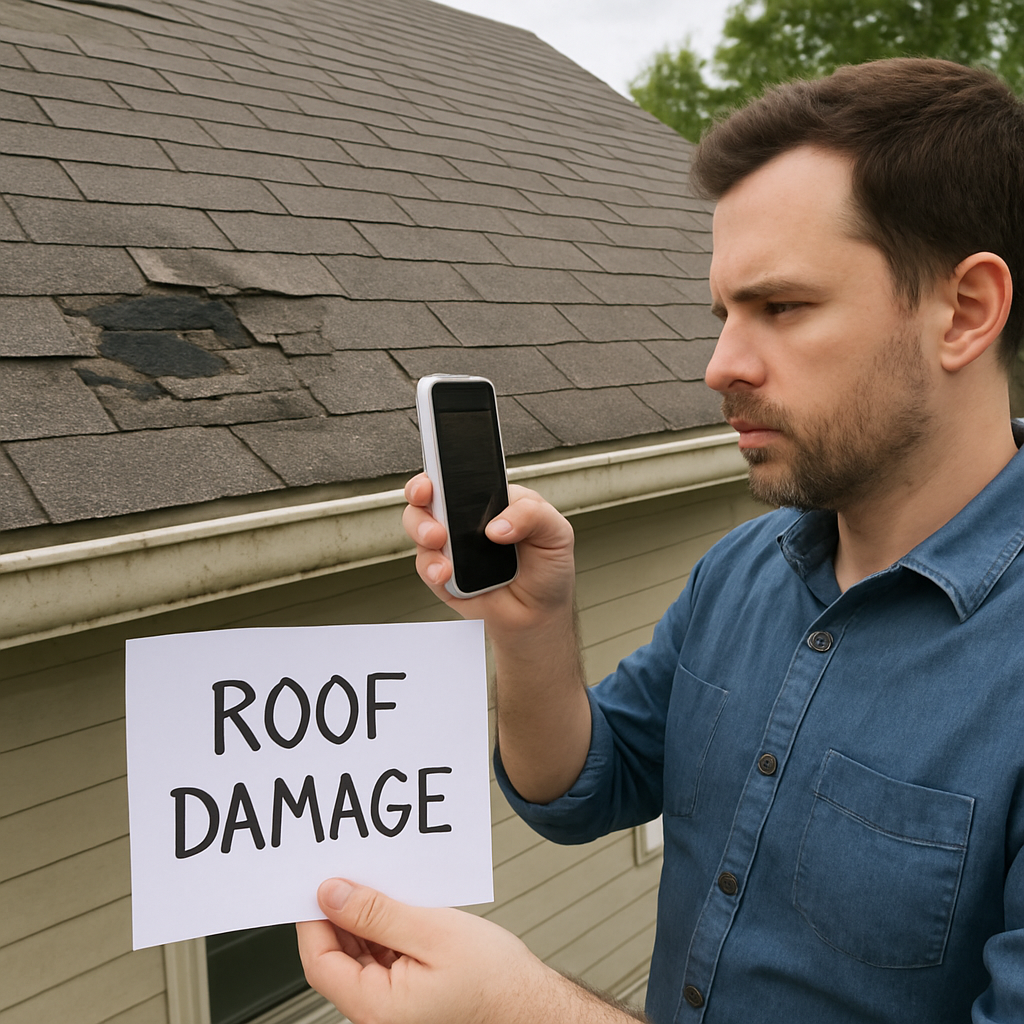
A leaking roof is more than just an inconvenience. It can quickly escalate into a costly and stressful situation, threatening the structural integrity of your home and damaging the possessions you’ve worked hard to protect. If you’ve recently noticed water spots on your ceiling or drips during a storm, you may be asking yourself: can I file an insurance claim for a leaking roof?
The answer isn’t always straightforward. It depends on the cause of the leak, the details of your policy, and how well the damage is documented. At Coast2Coast Adjuster, we specialize in helping homeowners navigate these complex situations, ensuring their insurance claims are properly filed and fairly compensated.
This guide will explain when a leaking roof insurance claim may be covered, how to handle water damage, and why working with a licensed public adjuster can make the difference between a denied claim and a full settlement.
When a Leaking Roof Is Covered by Insurance
Insurance policies don’t cover every roof leak. Instead, coverage usually applies when the leak is caused by a sudden and accidental event—something unexpected, beyond normal wear and tear. Here are some common situations where you may be eligible to file a roof damage insurance claim:
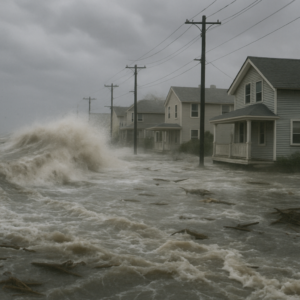
- Storm damage – High winds, hail, or severe rain can rip off shingles, crack tiles, or force water under protective layers.
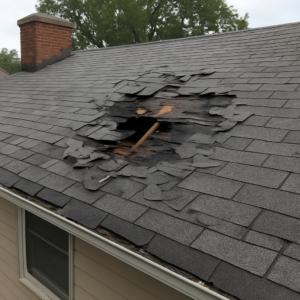
- Falling objects – If a tree branch, debris, or other object punctures your roof during a storm, your insurance will likely cover it.
- Fire or vandalism – When damage results from fire, attempted theft, or malicious acts.
- Storm-related water intrusion – If rainwater enters your home through openings caused by storm damage, you can also pursue a water damage claim.
On the other hand, leaks caused by neglect, poor maintenance, or an aging roof often aren’t covered. For instance, if your roof is more than 20 years old and shows visible signs of wear, your insurer might deny the claim, arguing the problem was preventable.
That’s why having a professional review both the damage and your policy is critical. At Coast2Coast Adjuster, we know the fine print—and how insurers interpret it.
Why Water Damage Claims Can Get Complicated
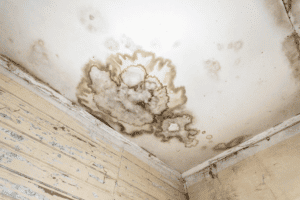
One of the biggest issues with roof leaks is that the damage doesn’t stop at the roof. Water seeps into walls, insulation, and floors, leading to widespread destruction. Some of the most common secondary damages include:
- Mold growth in damp areas of your home
- Warped or weakened wooden beams
- Collapsed ceilings or stained drywall
- Damaged electrical systems
- Ruined furniture, flooring, and personal belongings
Unfortunately, insurance companies often try to separate roof repairs from the resulting water damage. They may approve a limited payout for shingles while minimizing or denying your water damage claim.
This is where many homeowners lose thousands of dollars—because insurers bank on people not realizing the extent of their coverage. A licensed public adjuster ensures that every piece of damage is fully documented and included in your claim.
Steps to Take if You Have a Roof Leak
When you spot a leak, acting fast can make all the difference in protecting your home and strengthening your claim. Here’s a step-by-step plan every homeowner should follow:
1. Mitigate the Damage
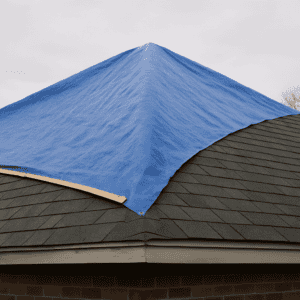
Insurance companies expect you to take reasonable action to stop further damage. Place buckets under leaks, use tarps to cover exposed areas, or make temporary repairs if it’s safe to do so.
2. Document Everything
Take detailed photos and videos of both the roof and the interior damage. Capture wet spots, peeling paint, waterlogged belongings, and any visible roof problems. Keep receipts for any temporary fixes or cleanup costs.
3. Review Your Insurance Policy
Look carefully at your policy to identify coverage, exclusions, and deductibles for roof damage insurance. Some policies have specific provisions for roofs over a certain age, while others may limit payout amounts.
4. Contact a Public Adjuster Before the Insurance Company
Calling your insurer first may seem logical, but remember: their adjuster works for them, not you. By reaching out to Coast2Coast Adjuster first, you’ll have an advocate who understands the process and ensures your claim is filed with strong supporting evidence.
5. File Promptly
Most policies have strict timelines for reporting roof leaks and related damage. Filing late could result in denial, even if the damage was otherwise covered.
Common Reasons Roof Leak Claims Get Denied
Even valid claims sometimes face resistance. Insurance companies may try to deny or underpay based on:
- Wear and tear – Claiming the damage is due to age or lack of upkeep.
- Pre-existing conditions – Arguing the leak was there before the storm or event.
- Improper maintenance – Suggesting the homeowner failed to maintain the roof adequately.
- Insufficient documentation – Lack of photos, receipts, or proof of loss.
These tactics are frustrating, but they’re not the final word. An experienced public adjuster can appeal denials, reopen cases, and push back against low offers.
How Coast2Coast Adjuster Supports Homeowners
At Coast2Coast Adjuster, we’ve seen firsthand how stressful roof leaks can be. Our role is to take the burden off your shoulders and fight for the settlement you deserve.
by Courtney Wentz (https://unsplash.com/@courtneywentz)
Here’s what you can expect when you work with us:
- Free claim review – We’ll evaluate your roof leak and determine if it qualifies for coverage.
- Thorough documentation – We carefully assess all damage, including hidden water damage, to strengthen your leaking roof insurance claim.
- Negotiation expertise – We handle the back-and-forth with your insurer to secure the maximum payout.
- No upfront fees – You don’t pay us until you receive your settlement.
Our mission is to ensure homeowners across Florida—Orlando, Lakeland, Tampa, Ocala, and beyond—get fair treatment and full compensation for their property losses.
Why Hiring a Public Adjuster Matters
While some homeowners attempt to handle claims on their own, the process is often stacked against them. Insurance companies employ professional adjusters trained to minimize payouts. Without guidance, you could unintentionally accept far less than your claim is worth.
A public adjuster levels the playing field. We work only for policyholders, never insurers. With our knowledge of insurance laws, policy language, and claim strategies, you’ll have someone on your side protecting your rights.
by Zohair Mirza (https://unsplash.com/@zamclicks)
Conclusion
If you’ve been wondering, “can I file an insurance claim for a leaking roof?”, the answer is yes—if the leak stems from a covered event like storm damage, fire, or a falling object. The key is knowing your policy, acting quickly, and documenting everything.
Don’t risk leaving money on the table or facing unnecessary denials. Let Coast2Coast Adjuster handle the claim process for you.
Contact Coast2Coast Adjuster today at (407) 516-7277 or info@ccauaa.com for a free consultation. Our licensed team (Firm License Number: W874722) is committed to protecting your home, your rights, and your peace of mind.