Florida homeowners know all too well how quickly storms can turn into disasters. High winds, heavy rain, hail, or even flying debris can leave your roof battered and your home exposed to costly water damage. When this happens, the first question most people ask is: how to claim storm damage to a roof?
Filing a storm damage roof insurance claim can feel overwhelming, especially when you’re dealing with the stress of repairing your home. Insurance companies often make the process complicated, hoping you’ll settle for less than what you need for proper storm damage repair. That’s where having the right knowledge—and the right help—can make all the difference.
At Coast2Coast Adjuster, we’ve helped countless homeowners recover fair settlements after roof damage. In this complete guide, we’ll walk you through every step of the process, so you understand your rights and maximize your claim.
When Roof Storm Damage Is Covered

Not every roof issue qualifies for coverage. Home insurance policies usually cover sudden, accidental damage caused by storms, but they don’t cover problems from neglect or normal wear and tear. Covered scenarios often include:
- Wind damage – Shingles or tiles ripped off by high winds.
- Hail damage – Pitting, cracks, or impact marks caused by hailstones.
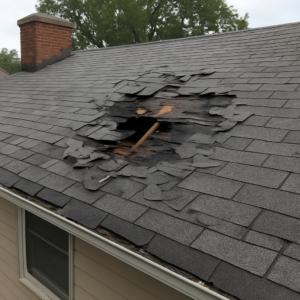
- Falling debris – Trees, branches, or objects that puncture the roof.
- Water intrusion from storm-created openings – Rain entering through damage caused directly by the storm.
If your roof is old or has pre-existing damage, insurers may try to deny or reduce your storm damage roof claim. This is why it’s crucial to document the cause of damage immediately.
Why Storm Damage Roof Claims Are Often Disputed
Even when the cause is clear, insurers frequently challenge claims. Common reasons include:
- Blaming wear and tear instead of storm impact.
- Partial coverage offers, paying for limited shingle repairs instead of full roof replacement.
- Lowball settlements that don’t cover hidden damage.
- Delays in approval, hoping policyholders give up or accept less.
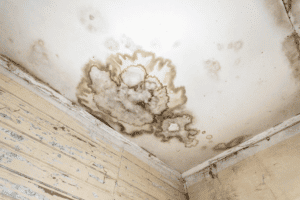
Storms can create both visible and hidden issues. A roof might look fine from the outside, but water intrusion can silently damage insulation, walls, and ceilings. Without strong evidence, these hidden costs may be left out of your storm damage roof insurance claim.
Step-by-Step Guide: How to Claim Storm Damage to a Roof
When disaster strikes, time is critical. Following the right steps can help you avoid denials and maximize your payout.
1. Prioritize Safety First
Before inspecting your property, ensure the area is safe. Watch out for downed power lines, unstable trees, or loose roofing materials.
2. Document the Damage Thoroughly
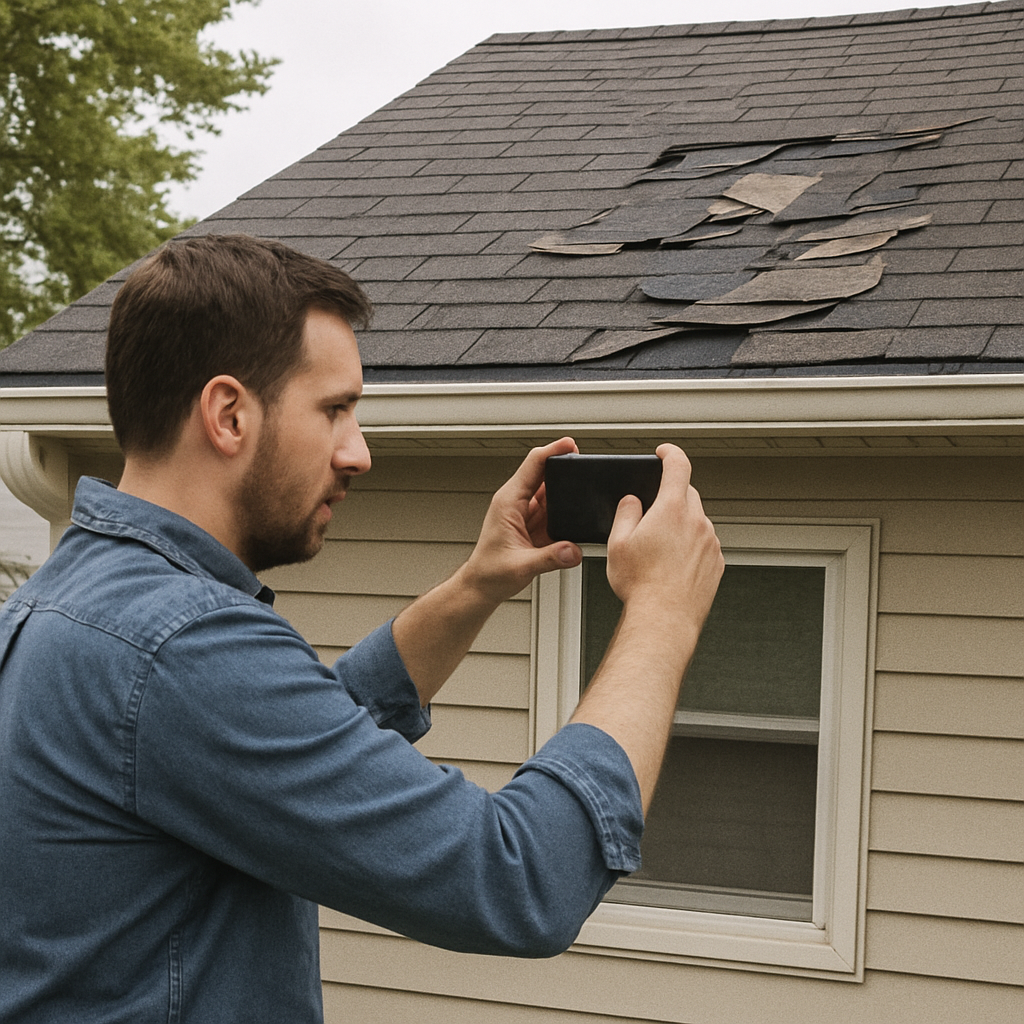
Take detailed photos and videos of your roof, surrounding property, and any visible interior leaks. Capture close-ups of missing shingles, cracked tiles, or water stains. Documentation is the foundation of a strong storm damage roof claim.
3. Prevent Further Damage
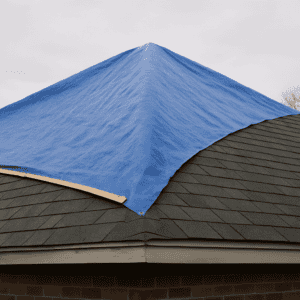
Most insurance policies require homeowners to mitigate additional losses. Cover exposed areas with a tarp, move belongings out of harm’s way, and keep receipts for any temporary repairs.
4. Review Your Insurance Policy
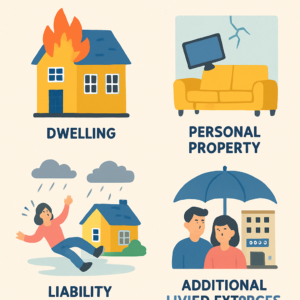
Look at your policy for coverage details, deductibles, and exclusions. Many policies have specific provisions for storm damage repair or roofs over a certain age.
5. Contact a Public Adjuster Before Your Insurance Company
Insurance companies send their own adjusters, but their goal is to protect the insurer—not you. A licensed public adjuster like Coast2Coast Adjuster works on your behalf, reviewing your policy, inspecting the damage, and preparing the strongest claim possible.
6. File the Claim Promptly
Delays can hurt your chances of approval. File your storm damage roof insurance claim quickly, but make sure it’s backed by professional documentation and a full damage estimate.
7. Negotiate, Don’t Just Accept
If the insurer offers a low settlement, you have the right to push back. With a public adjuster negotiating for you, it’s far more likely you’ll receive the full compensation needed for complete storm damage repair.
Common Mistakes Homeowners Make After Storm Damage
To avoid jeopardizing your claim, steer clear of these common errors:
- Waiting too long to report damage.
- Accepting the first settlement offer without review.
- Making permanent repairs before the insurer inspects the property.
- Failing to document interior damage caused by water intrusion.
- Not hiring a public adjuster to protect your interests.
Each of these mistakes can give the insurer grounds to deny or underpay your claim.
The Role of Coast2Coast Adjuster in Storm Damage Claims
At Coast2Coast Adjuster, we specialize in helping Florida homeowners recover after storms. Here’s how we support you through the process:
- Free claim review – We’ll evaluate whether your roof qualifies for coverage.
- Comprehensive damage assessment – Including both visible and hidden water damage.
- Policy expertise – We interpret complex policy language to your advantage.
- Settlement negotiation – We fight for the maximum payout you’re entitled to.
- No upfront fees – You only pay us when you get paid.
With our experience in storm-related claims, we know the tactics insurers use and how to counter them effectively.
Why Hiring a Public Adjuster Is Essential
by Sim Kimhort (https://unsplash.com/@simkimhort)
Many homeowners try to file claims on their own, but insurance companies have teams of professionals trained to minimize payouts. Without equal expertise on your side, you could be leaving thousands of dollars on the table.
A public adjuster levels the playing field. We represent only you—the policyholder—ensuring your storm damage roof claim includes everything from roof replacement to interior storm damage repair costs.
Final Thoughts
If you’ve been wondering how to claim storm damage to a roof, the process comes down to acting quickly, documenting thoroughly, and having an experienced advocate on your side. Don’t let your insurance company dictate what your home is worth repairing.
Call Coast2Coast Adjuster today at (407) 516-7277 or email info@ccauaa.com for a free consultation. With our licensed team (Firm License Number: W874722), you’ll have the guidance, expertise, and advocacy you need to secure the settlement your family deserves.